When Colter and I got married our honeymoon was very low-key. So when the opportunity to go to China for over a month to teach English arose a couple of months in, we leapt!
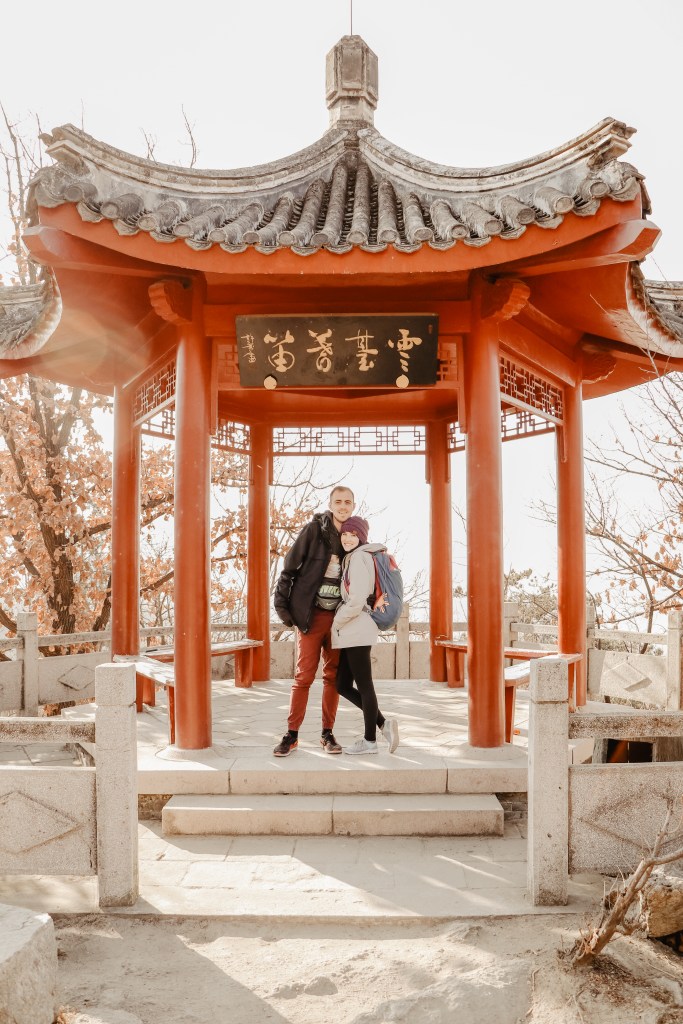
I’m not very well traveled. Before getting married, I had only left the country once on a cruise from Los Angeles to Catalina Island and Ensenada, Mexico. I didn’t even have any stamps in my passport because they don’t stamp them on cruises.
GETTING TO CHINA
The week before Christmas in 2018, one of my good friends from high school posted to her Instagram story that if anyone was interested in going to China to teach English for cheap, to get in touch with her. I thought, “Why not?” and sent her a message. This is what the offer with the company entailed. We would cover our passport and visa fees, as well as our flights to China and any spending money we required while there. In exchange for us working 40+ hours per week in China teaching English, the company would cover all of our lodging, transportation, and food expenses, as well as some pre-planned recreation, like touring the Great Wall of China. The trip would be roughly 5 weeks long and we would need to fly to Beijing on January 10, 2019.
After looking at the current costs of flights from Salt Lake City to Beijing and doing some financial math, we decided to go for it. We had roughly 21 days to purchase our plane tickets and to apply for, and receive, our visas to enter China. The plane tickets were a cinch and we had those arranged in only a few minutes. We gathered all of the visa paperwork that we would need to apply to go to China as employees of a China-based company. That’s when we hit a major snag.
Colter spent two years living in, and traveling back and forth between, Argentina and Paraguay. In those countries, you receive a stamp both when you leave the country and when you enter it. So when you cross into Paraguay, you get a stamp from Argentina for leaving and one from Paraguay for entering. When you cross back into Argentine, you get a stamp from Paraguay for leaving and one from Argentina for entering. That adds up to a lot of stamps over the course of two years. We discovered that Colter’s passport was full of stamps and that he did not have a page available for his Chinese visa. You used to be able to request additional pages for your U.S. Passport, but as of January 2018 if you run out of pages, you must get a whole new book. This process often takes two weeks and we had less than three before we had to be on the plane to Beijing. With the two weeks that we needed for visa processing, we simply didn’t have enough time. However, our airline tickets were already purchased and completely nonrefundable.
We ended up finding an online service that promised “24-hour passports”. Basically, you fill out a bunch of paperwork and overnight ship all of the necessary paperwork to one of this company’s offices that is located by a U.S. Passport office, they have a courier walk your paper work in, get your passport renewed, and they overnight your new passport back to you. We spent an entire day running all over town, gathering money, pictures, and documents. We barely made it to the FedEx office for the last pickup of the night (we actually called the office and had them wait a few minutes for us) and got the passport renewal sent off. That was the weekend before Christmas, so our “24-hour passport” turned into a “5-6 business days” passport. Which was absolutely nerve-wracking.
Colter’s new passport arrived and the second that it came from FedEx, we were arranging all of our visa paperwork in the exact way and order that was laid out for us, and we sent it off to the embassy. At that point we had to just trust that our visas would arrive on time and that we would be able to board our flight to China on the 10th.
PACKING
I cannot tell you how many times I wrote and revised my packing list for our trip. We were told that we would need to pack layers to be prepared for the January and February weather, business casual clothing, gifts for teacher’s aides, treats/small gifts for the kids, all toiletries we would need, supplies to wash our laundry in the sink, our own toilet paper, electronics, power adapters, and what feels like a million other things. We were also told that we would need to pack light because we would be responsible for managing all of our own luggage on planes, trains, buses, subways, cars, and up and down numerous flights of stairs.
I thought I packed light. I was very mistaken. I had a carry-on sized suitcase, a large backpack, and my camera bag. Colter had a carry-on suitcase, a large duffel backpack, and a regular backpack. I brought way too much clothing and extra junk that I didn’t need and my bags only got heavier as the trip progressed and we picked up souvenirs along the way. Both of our bags did. Not to mention, I’m not a particularly strong or coordinated girl, so lugging my bags all over China ended up being one of the most difficult parts of the trip. But I’ll talk more about that later.
FLYING OUT
Our visas arrived in the mail literally the day before we were scheduled to board our non-refundable flight to Beijing. It was a freaking miracle. We left for the airport early in the morning on January 10. We flew from Salt Lake City to Seattle where we had a three hour layover. We took an underground train to the international terminal, grabbed some overpriced airport lunch, got our passports and visas cleared with the nice people at the gate and they gave us our boarding passes.
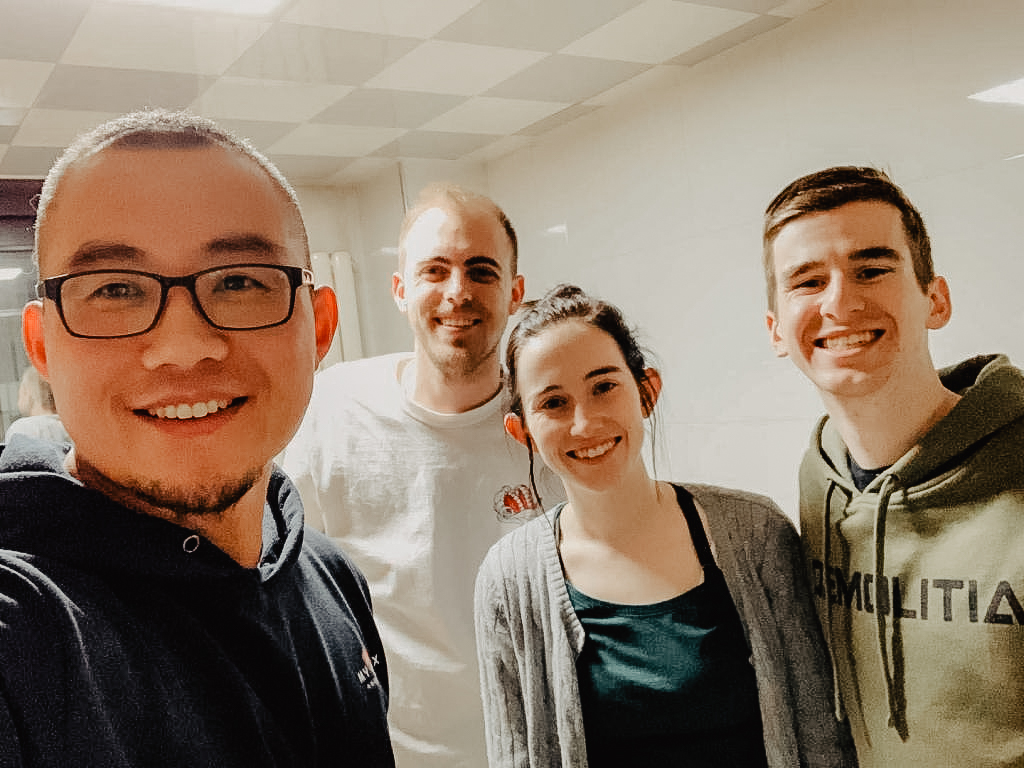
Then we boarded our flight from Seattle to Beijing. This flight was somewhere like 13 hours long. We were flying overnight according to Utah time and were landing in the evening Beijing time, so my plan was to stay awake for the entire flight so that I would be able to sleep when we landed and I would have so much jet lag. It sort of worked. I was completely exhausted and barely functioning by the time we landed in Beijing. One of the partners in the company we were employed under, Mike, picked us up at the airport and brought us to the apartment that we would call home for the next week. We had left Utah on Thursday morning and arrived in Beijing on Friday night.
BEIJING
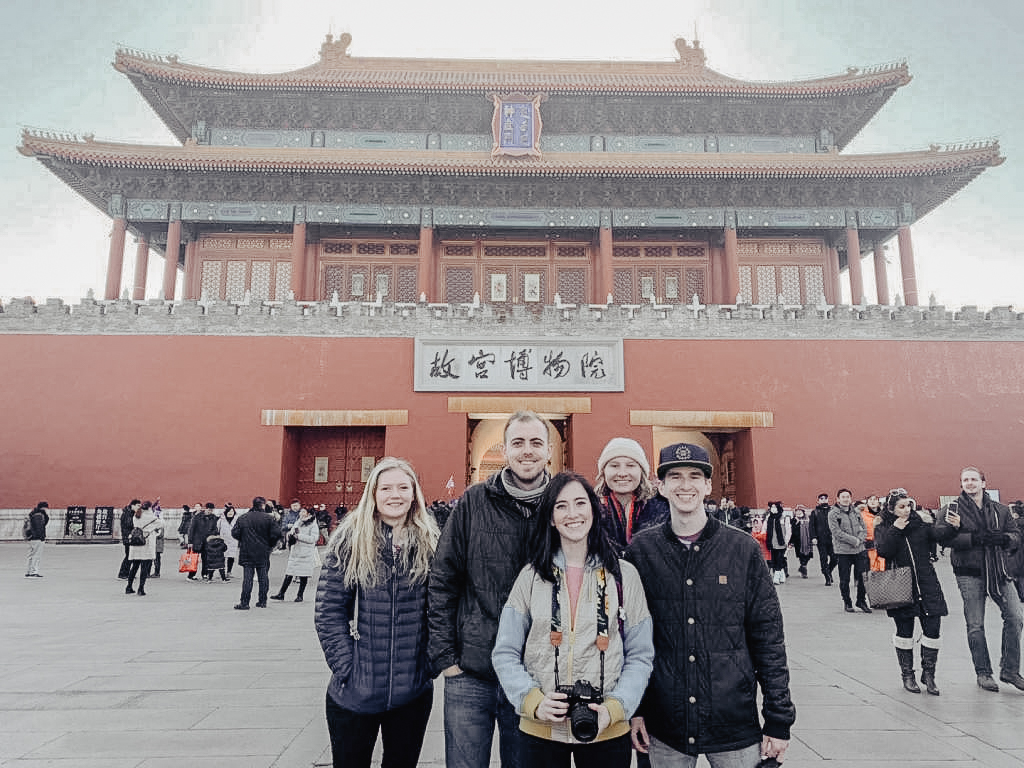
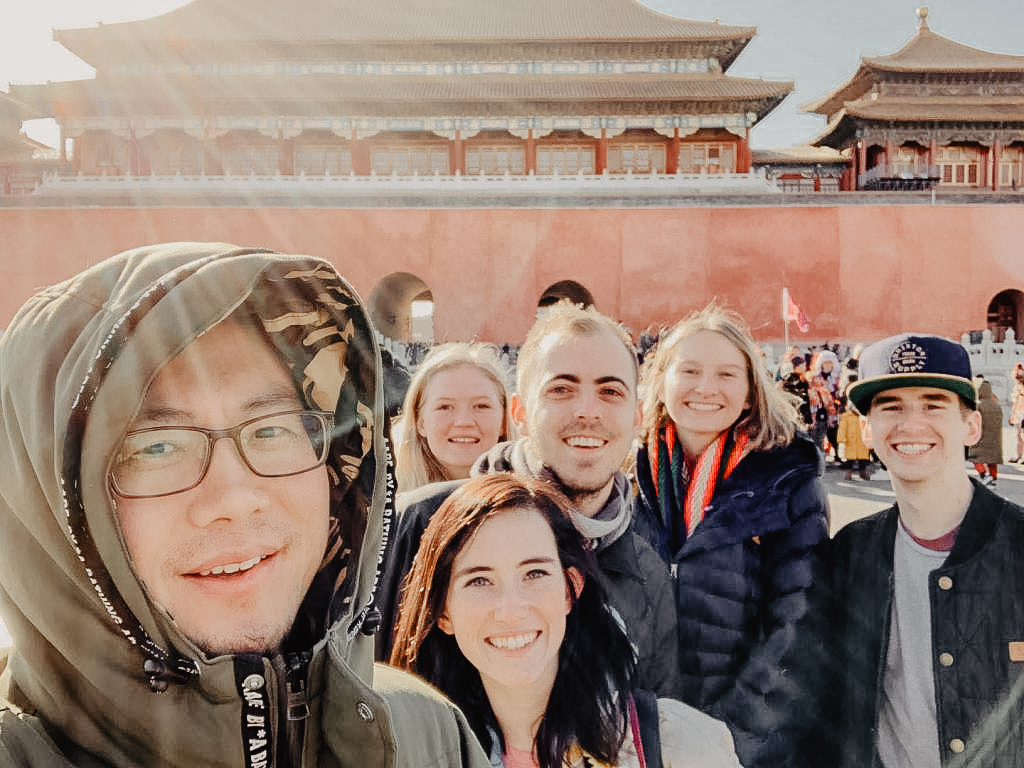
Our first few days in Beijing were our tourist days. We started with the Forbidden City and the Lama Temple. The Forbidden City was full of tourists from around China. We spent roughly two hours walking around the buildings, taking pictures, and look at old Buddha statues. The city was beautiful and I took a couple hundred pictures. The Lama Temple was much more quiet and sacred, though it looked very similar to the Forbidden City to me. A bundle of incense was given to every guest to burn and to use for prayer and worship throughout the grounds. The atmosphere was very reverent and we only took a few pictures so we didn’t disrupt those who were there to worship.
The next day we spent at the Great Wall of China. We took a Didi (which is China’s version of Uber or Lyft) and it took us like an hour or so to get there. We purchased our tickets and then walked through a small market to the bus that took us to the actual Wall. There are two options for getting up to walk on the Wall. First, there is a gondola lift that will take you directing up to a watchtower, but it cost something like 100 yuan (which is roughly $14 US). The other option is to take the stairs. We took the stairs and I’m pretty sure that there were at least 100,000 of them. We hiked to the 10th tower initially and spent most of the day up hiking. We hiked as far up as we could, to the “top” of the Wall, and then all the way back down to the 6th watchtower. We went to the 6th rather than the 10th because we had decided that while 100 yuan was a little pricey for a gondola ride up, it was totally worth taking an alpine slide back down. The day was amazing and exhausting and one of my favorite parts of China. I would love to go back and see it in the spring or summer, when the mountains are lush and green.
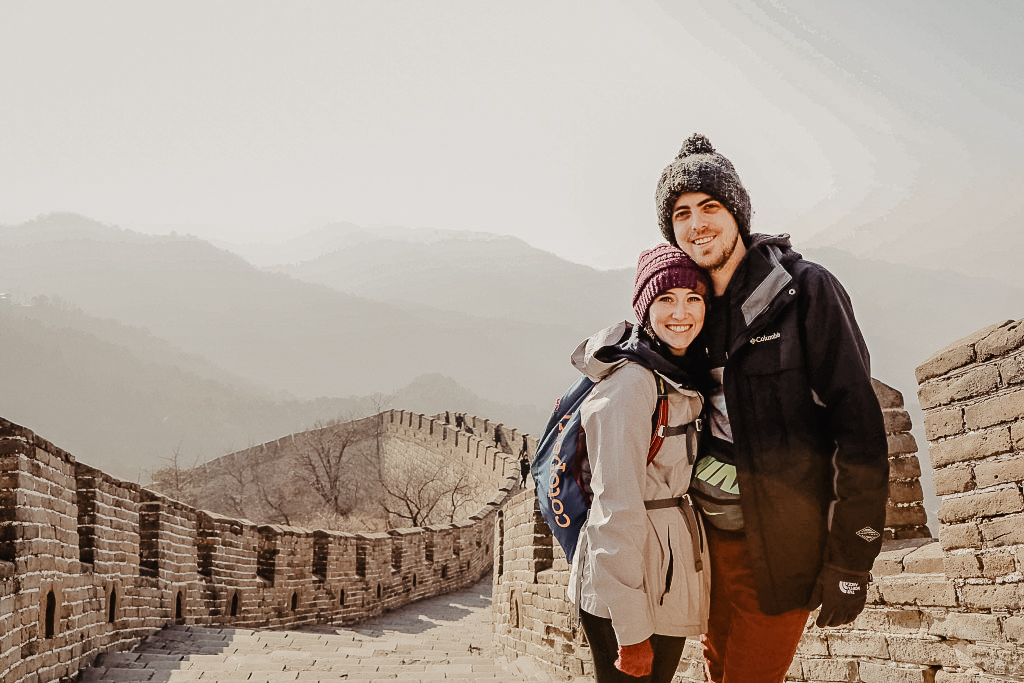
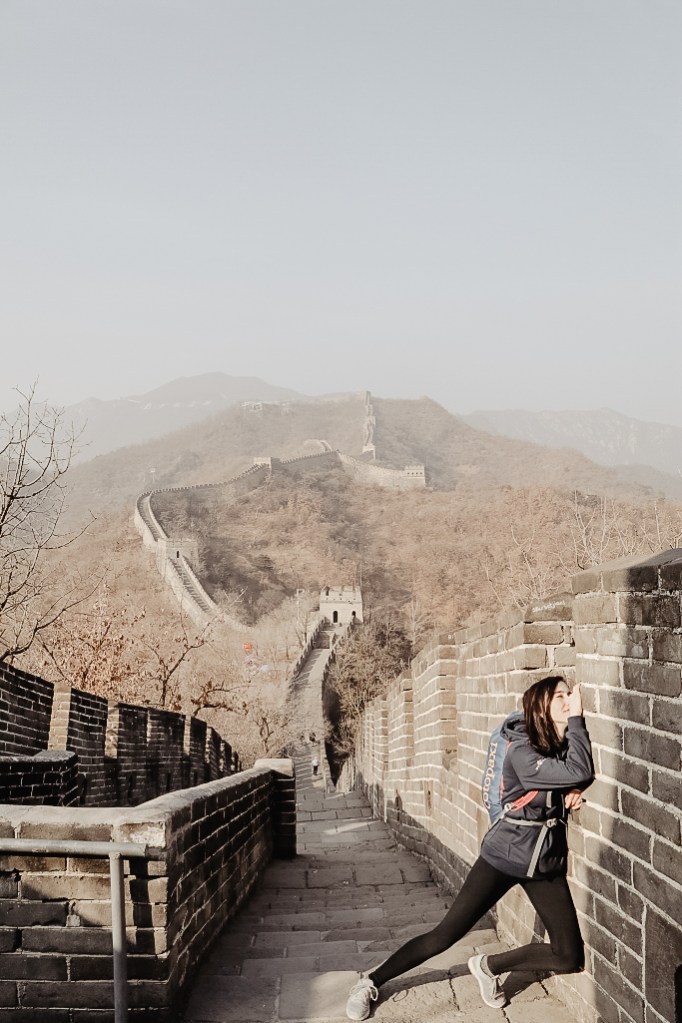
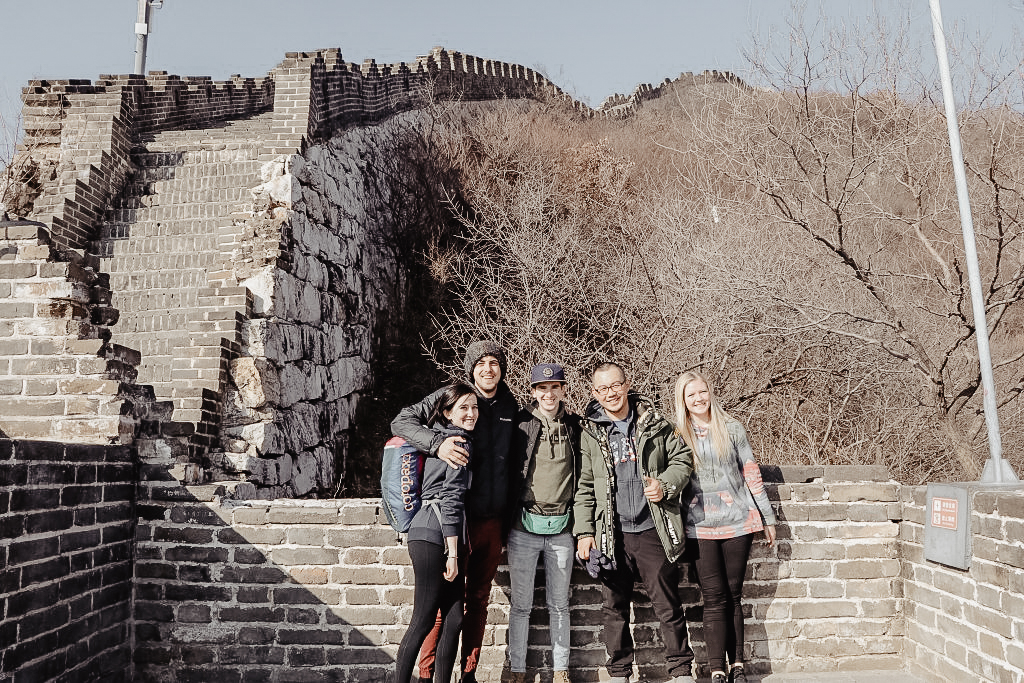
Throughout our work week we also went to the Pearl Market, went to a VR gaming place, and tried Hot Pot. I have a whole other post in the works about my experience with food in China.
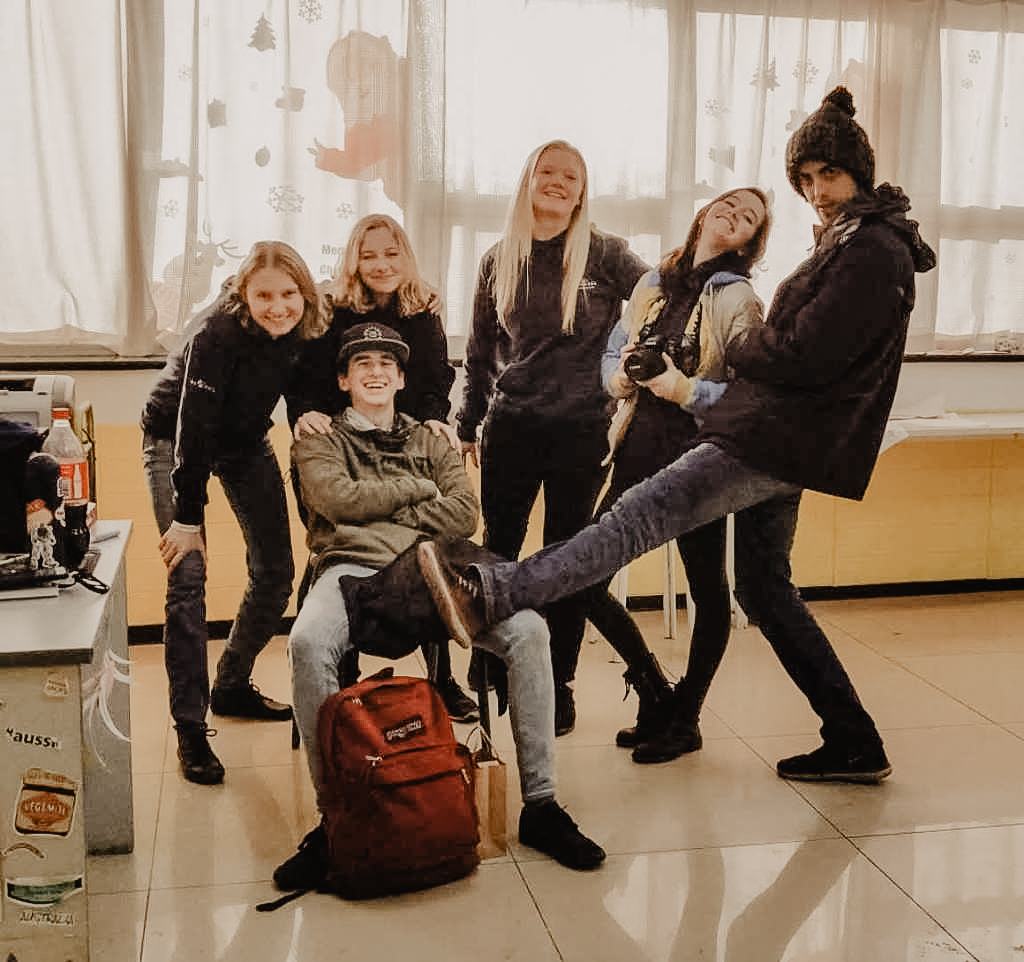
Let’s get to the whole reason we were even in Beijing; the kids. Our job while in Beijing was to teach the students at a school called My ABC Box. There were two classes. The first class had 9-12 students in it and every single one of them was four years old. The second class had 3-5 students and they ranged in age from seven to nine years old. There were six of us Americans that were there to teach for the month, so two teachers took the older class and the other four of us took the larger, younger class.
I loved teaching those little booger balls. We spent all day, every day watching short clips, learning songs, naming colors and animals, playing with legos and clay and drawing pictures. It felt impossible to handle so many preschoolers when they didn’t understand any of the words we were using, but just because we didn’t speak the same language didn’t mean we couldn’t communicate. The kids quickly learned that if they sat down quietly when we patted on a chair, they would get a tiny piece of a fruity Tootsie Roll. Or if they named a color or animal correctly in English. They were completely exhausting and totally worth every exasperating minute.
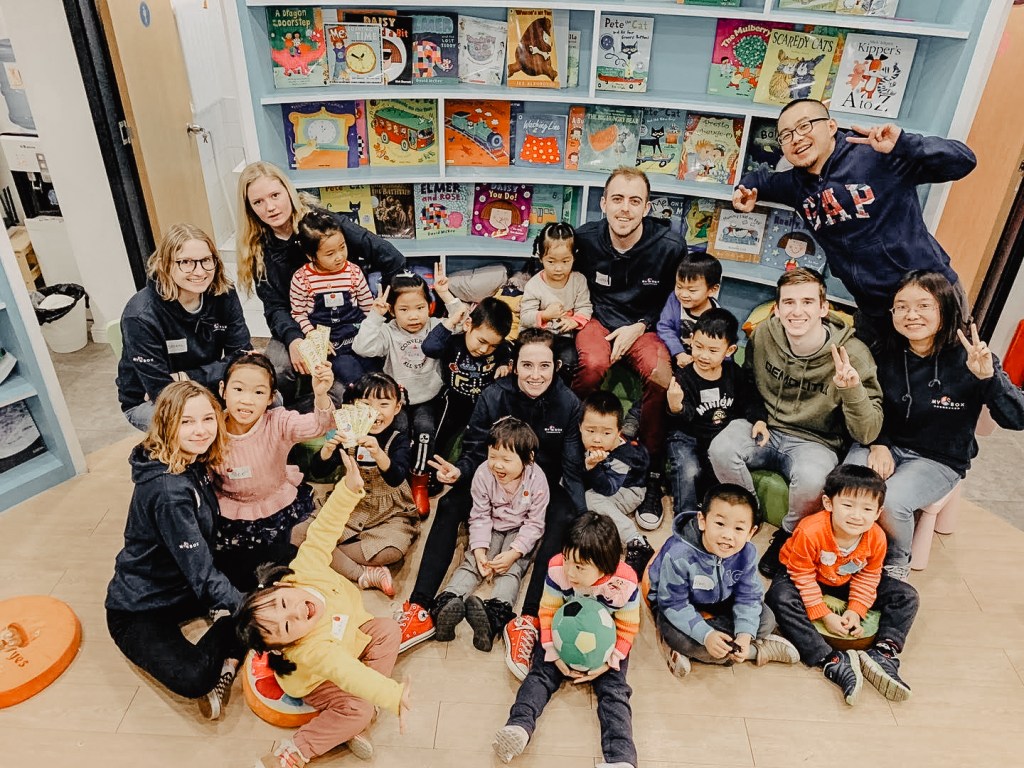
At the end of our week in Beijing, we said goodbye to our kids, packed all of our belongs into our bags, and took a bullet train to a city called Zhengzhou.
ZHENGZHOU
If you are ever traveling from city to city in China, I highly recommend taking a bullet train. The train was comfortable, the station wasn’t extremely difficult to navigate, tickets were reasonably priced, and we arrived at our destination quickly. What more can you ask for?
When we arrived in Zhengzhou we were met by our translator for the week, Apple, the headmaster of our new school, Ms. Yang (pronounced like “young”), and Ms. Yang’s 13-year-old son, Stone.
A quick blurb about names. In China, it is very common for people to choose an “American name” to use when dealing with English speakers. This is because the languages are so vastly different that Americans often butcher Chinese names. Sometimes people choose very typical sounding names like Mike or Caroline. Other times they simply choose an English word they like and go with it, like Apple or Stone. They can also change their “American name” anytime they want to because it isn’t used for anything official.
We divided ourselves into different cars and were driven to our new home for the week. While in Beijing, we had staying in an apartment that was rented for us in one of the communities. Our experience there was very authentic, because there wasn’t a hotel anywhere nearby. A tourist would never stay where we did in Beijing. In Zhengzhou, it was different. The venue we stayed in kind of reminded me of a country club. I think it was a giant hotel/condo complex, but I’m honestly not sure. We had room keys and a maid service like it was a hotel, but we had an entire condo with nine bedrooms rented for us. We checked in with our passports, settled into our rooms, and went to a welcome dinner with Ms. Yang and toured our new school, MapleBear.
MapleBear is a Canadian company with prestigious “pre-schools” all over the world. Our program was renting a portion of the MapleBear Academy building for our week long immersion camp. The campus was huge and gorgeous and very intimidating.
Our teaching experience was very different in Zhengzhou. We had a group of 60 kids ranging in age from eight to fourteen years old. All of the kids were staying in the condos around us. Most of them spoke conversational English and the purpose of that week was like an American immersion summer camp. Only the camp was in January. The kids were split into three groups based on age and we spent the week teaching them games, doing team building activities, and teaching them about food, holidays, school, university, and culture in the USA. Let me tell you something. The four-year-old’s were much less stressful to teach, but all of these kids won my heart over just as much as the preschoolers did.
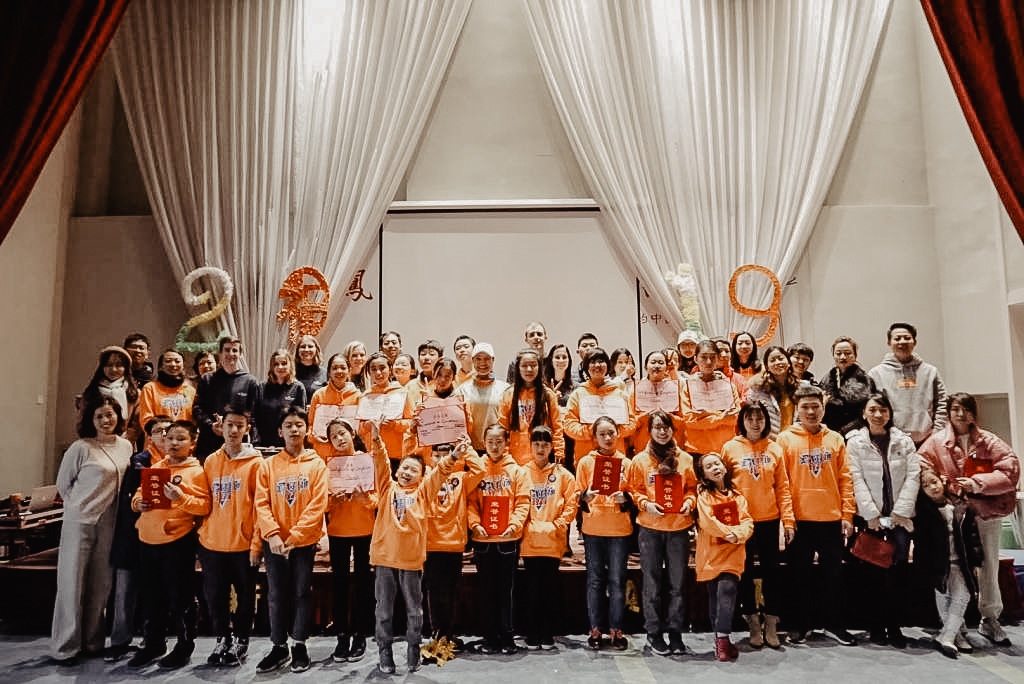
While in Zhengzhou we also learned how to make dumplings, got to experience a Chinese face-change opera, saw an amazing music and dance performance, toured a place called Kaifeng City, visited several museums, and had our first homestay.
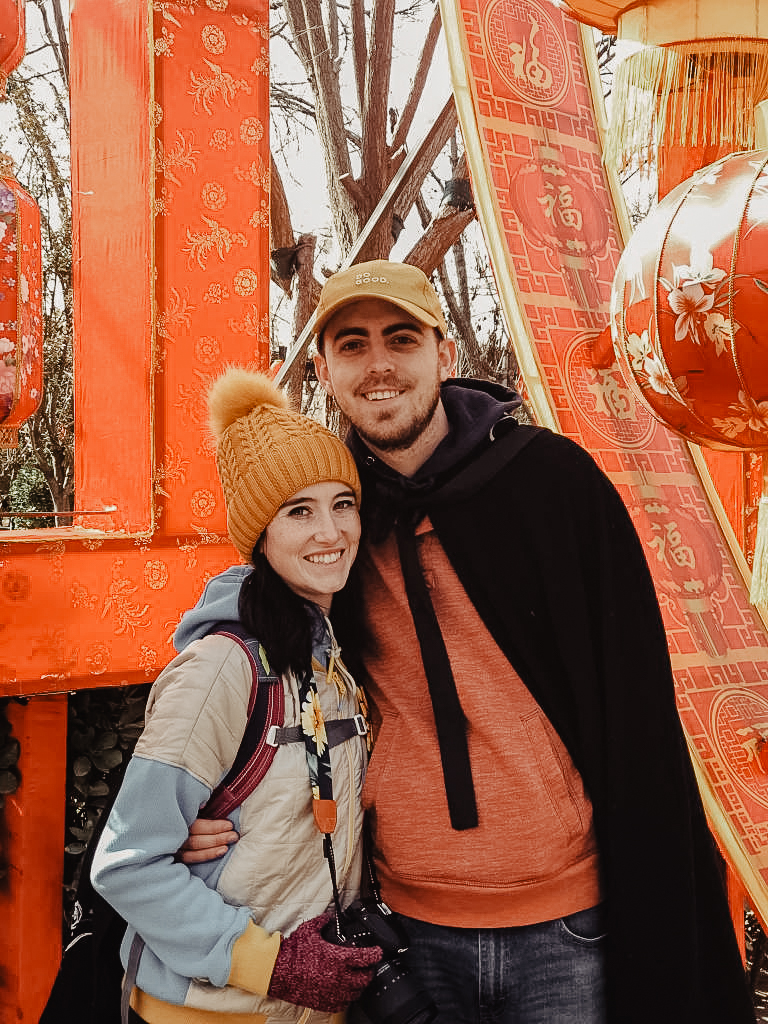
My homestay did not go well. The idea was at the end of the camp, each teacher would be assigned to a family with a student that had attended the camp, and the family would spend the next two days showing the teacher around and doing fun cultural things with them. My homestay started out normal-ish. Cindy (my host student) introduced me to her mother and we left the camp. Cindy’s mother dropped us off at a mall and pretty much told us to have fun. So 13-year-old Cindy and I had some dinner and saw Once Upon a Daredevil in the theater. (Chinese malls are huge, by the way. 8-12 floors of shops, arcades, salons, daycare, movie theaters, fast food, fine dining, ice rinks…everything). The next day everything kind of went to hell, pardon my language. Cindy’s mom woke us up in the morning and stuck us in a cab. The cab driver drove for an hour or more (during which my teenage host/translator just slept) and dropped us off at an amusement park called FantaWild. It’s like China’s Disneyland, or it’s supposed to be. Problem was, half the attractions were closed due to it being winter and the other half closed after we had been there for about two hours because it had started to rain. They wouldn’t let us shelter in any of the shops or restaurants without buying anything, so we were outside all day long. The rain turned to snow and the snow turned to slush and we still just wandered around the forsaken amusement park. Cindy’s mom forgot to come get us or send a Didi, so the park closed and they kicked us out into the parking lot in the three inches of snow that continued to fall. Cindy did not seem concerned during all this time and actually made fun of me for being cold. I didn’t speak the language, didn’t have a working phone, and didn’t have a clue what to do. I ended up finding Wifi at a 24-hour banking kiosk in the parking lot and calling Colter. Colter got ahold of Ms. Yang and she rescued me from the homestay immediately. She sent someone to get me, fed me dinner, pulled Colter from his homestay, and put the two of us up in a hotel for the night because she is an angel. The next day (last of the homestay) she just added us onto her plans with the teacher that was staying with her (who happened to be my brother).
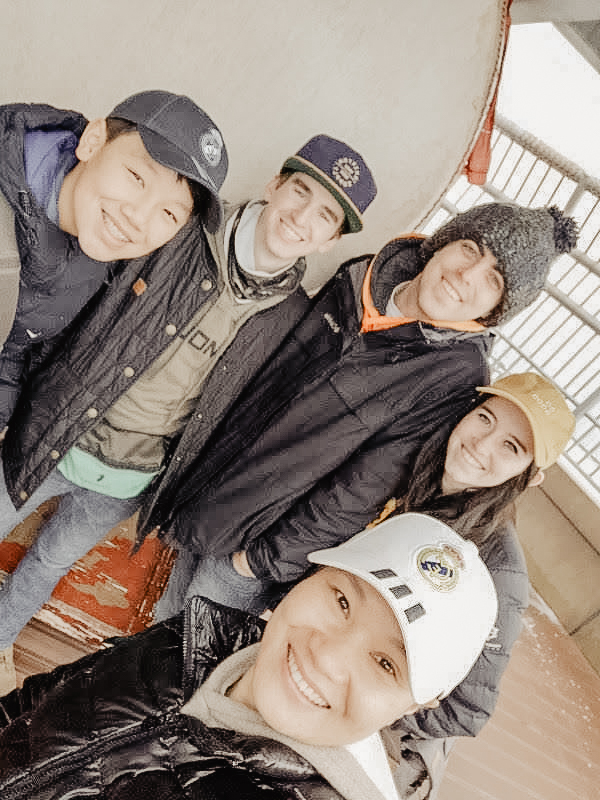
At the end of the homestay, we bid farewell to our host families and boarded another bullet train, this one bound for Taiyuan.
TAIYUAN PART 1
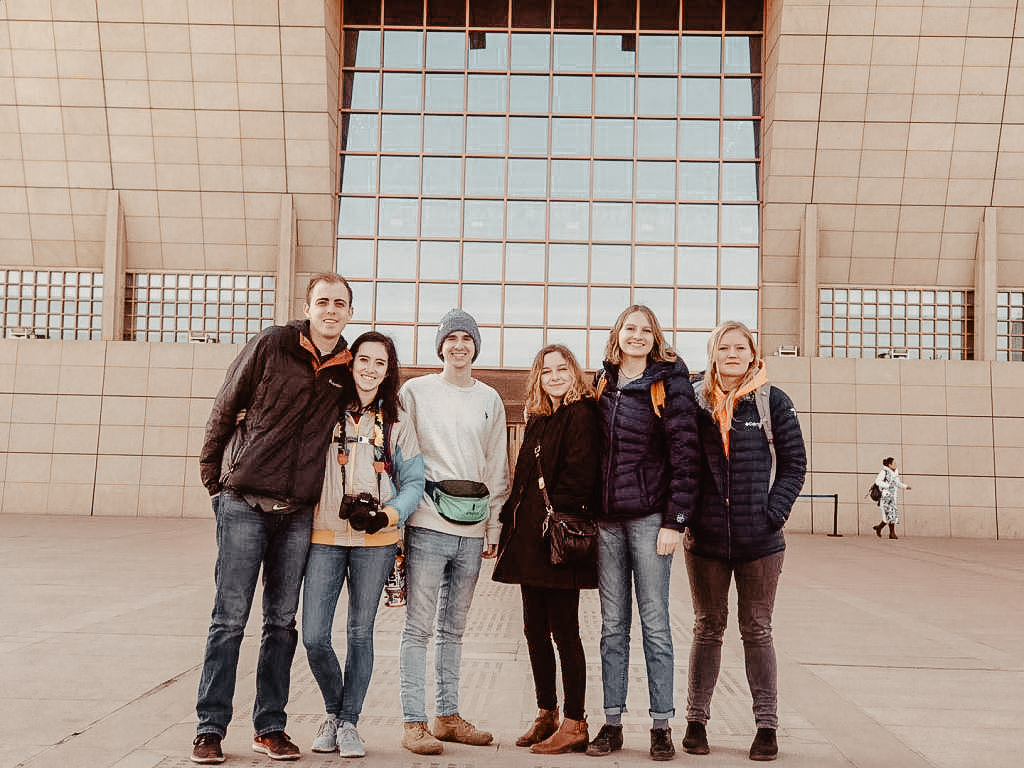
We arrived in Taiyuan and three teacher’s aides/translators met us at the train station. They took us to the hotel we would be in for the next three nights. We went to a welcome dinner with the TA’s and Chen, our boss for the week, and got some much needed rest. Over the next few days we toured the school, visited The Coal Museum of China, saw a few other museums, toured the Jinci Temple, and went to the Twin Pagodas.
I don’t have much to say about the coal museum. I kind of felt like a fourth grader again, trapped on a boring field trip. The Jinci Temple grounds and the Twin Pagodas were both beautiful though. Both places were pretty empty due to winter being the off-season, so we were able to enjoy our time, take lots of pictures, and we even got to climb to the top of one of the pagodas. It was nice to have a few days off from teaching.
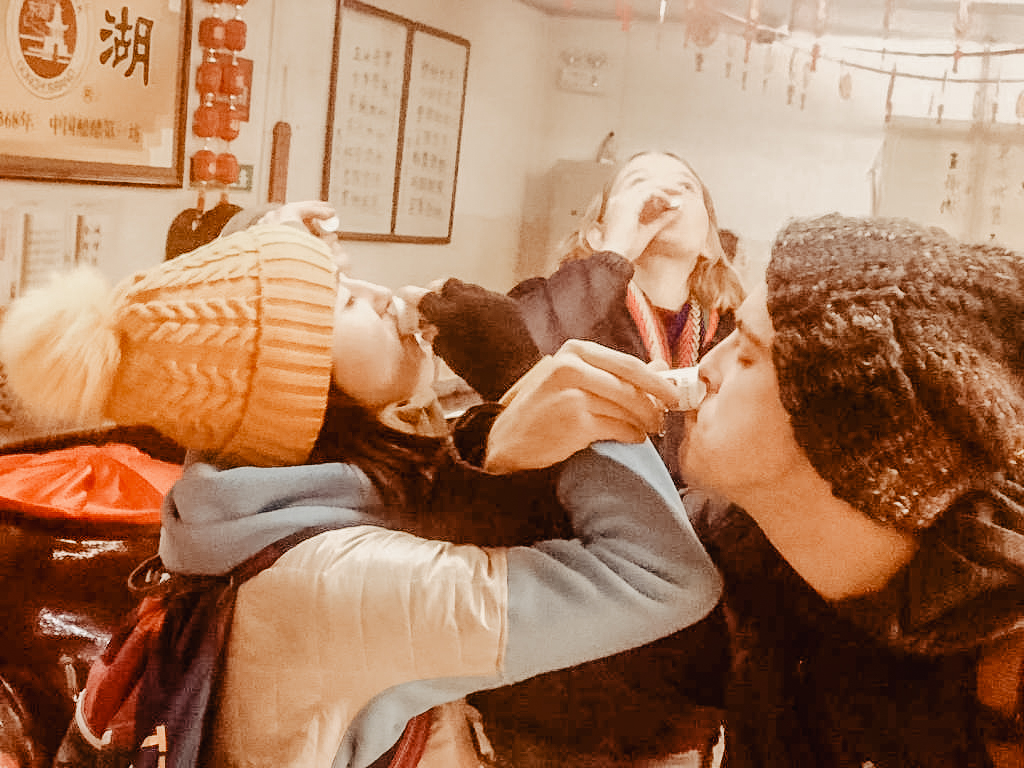
For those of you who may not know, vinegar is huge in China. They cook with it, they drink it, and they brew it. It is like the cure all in every Chinese grandmother’s book. So, naturally, going to a vinegar factory was on the top of our guide’s list of places to take us. We started with the tour guide showing some videos and posters, but every word was in Mandarin. Then we went to an actual factory and walk through it. It smelled so bad. My sinuses hurt. And at the very end there was a perk. You got to take a shot of straight vinegar. Lucky, lucky us. Oh, and then there was a gift shop filled with different sizes of bottles of vinegar. What a treat that was.
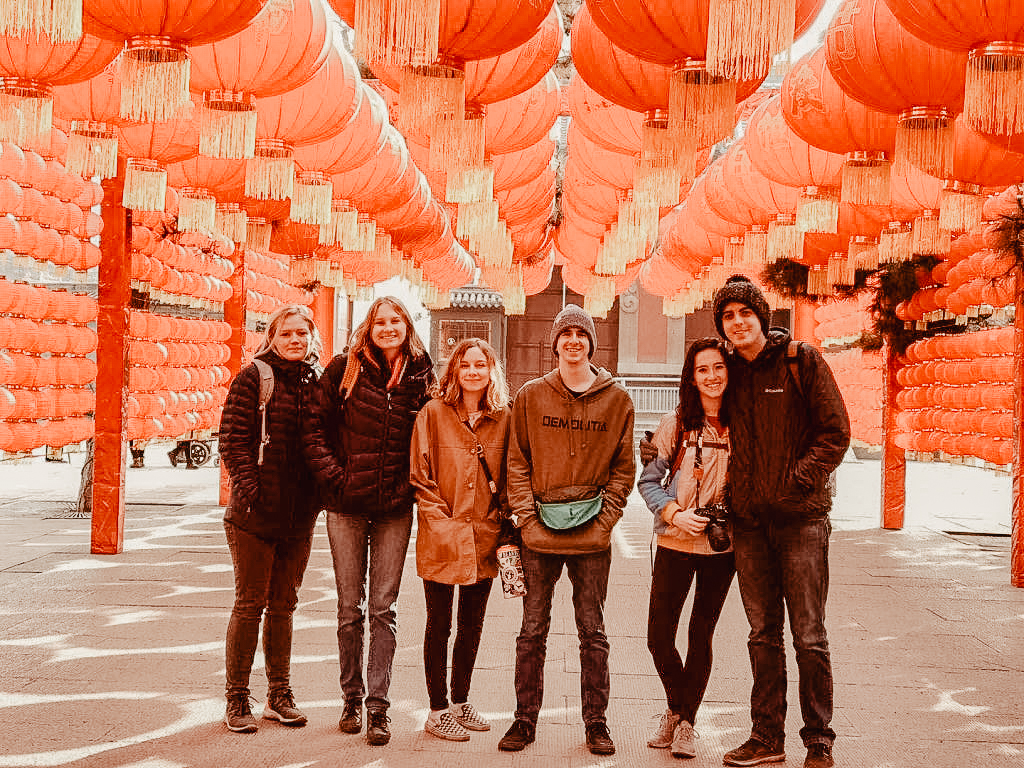
After our “rest days” in Taiyuan, we were put on another train to spend Chinese New Year in a place called “Meibao Mountain Villa”.
MEIBAO MOUNTAIN VILLA
Don’t bother Googling this place because I guarantee you will not find it. It is located in Taigu county in the Shanxi province. In its prime, it was a tourist attraction or gimicky getaway where city folks could come and stay in a replica of what an old Chinese villa would have been like. However, the golden days of Meibao Mountain Villa were about 30 years ago. By the time we were there to stay it was rundown and falling apart. And all of the decorations were dried whole cobs of corn.

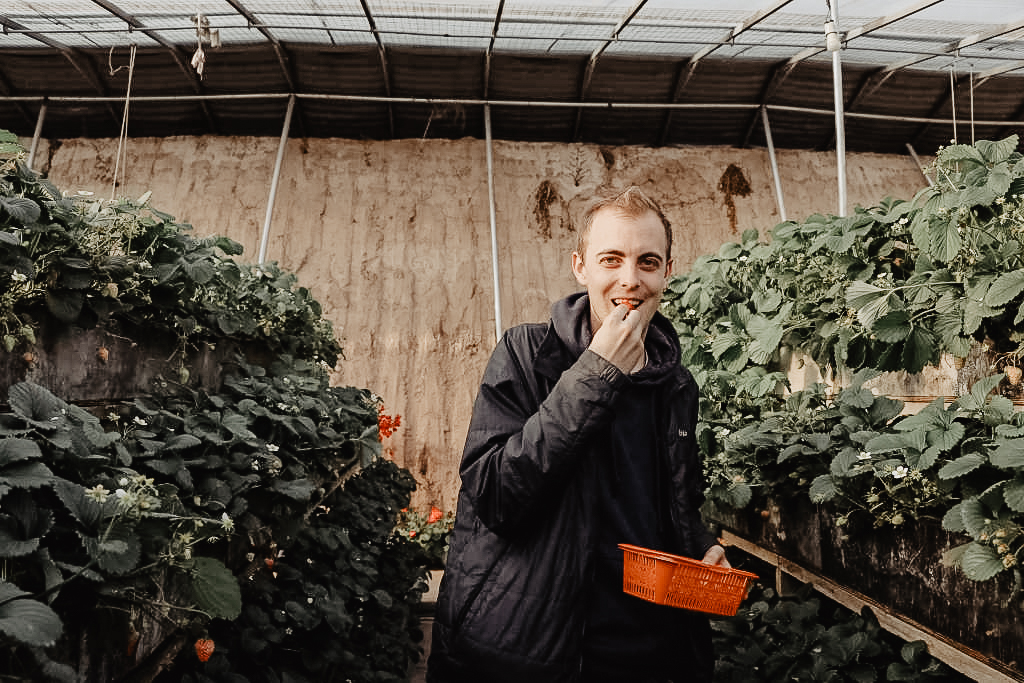
While in Meibao we ate the exact same meal three times a day, had a very disappointing Chinese New Year, visited a gorgeous strawberry greenhouse, went to see the Chinese Mother statue, and had many, many pictures taken of us while anywhere near civilization. Despite it being late January, the greenhouse was beautiful and thriving. One of my favorite parts of that day was the air. The air in the greenhouse was the cleanest, freshest air that we had breathed since our flight landed in Beijing weeks earlier. The pollution, the number of people, and the constant cigarette smoke of China make the air quality very poor. Walking down into that oasis was literally a breath of fresh air.
Getting out of Meibao and back to Taiyuan was a huge blessing. I was so very grateful to get back on the train and put my headphones in and get back to civilization and people who could translate for us again.
TAIYUAN PART 2
When we got off the train from Meibao, we were singled out and sent home with host families for our second homestay of the trip. Colter and I still weren’t sent to the same home (despite the fact that we were married) but I was sharing a host family with another teacher named Chloe. It was a weird situation. Our host student’s name was Claire and we had a great time with her. The Marvel Cinematic Universe is huge in China, so we watched several super hero movies, went to a food street lined with vendors, went to a trampoline park, and shopping. We stayed with her for two nights and then the work week started.
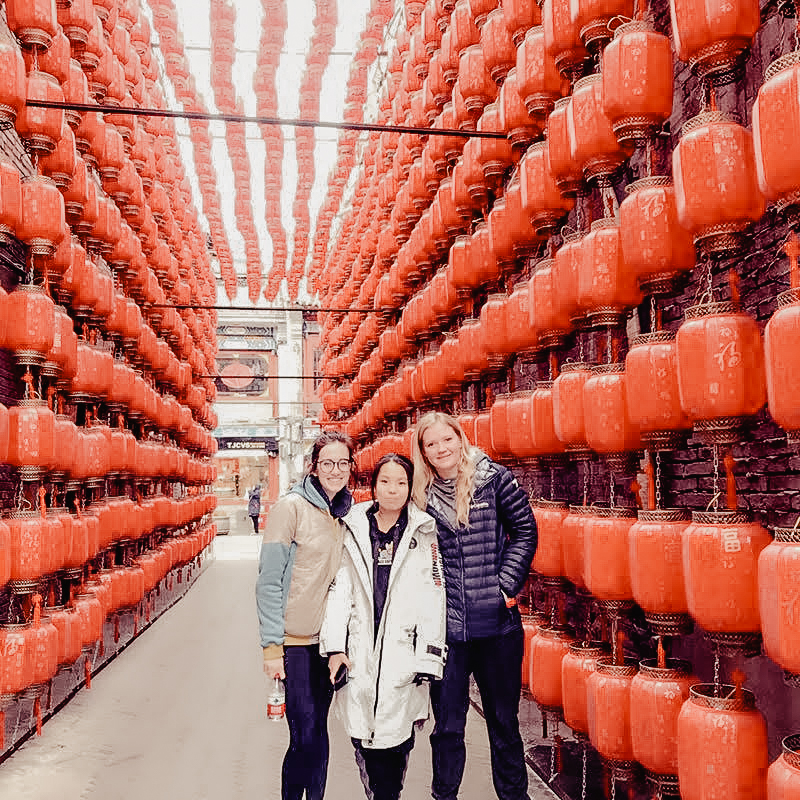
Rather than return to the hotel we had previously stayed in while in this city, our company rented two different apartments in two different complexes for us to stay in. So Colter and I stayed in one, and the other four teachers stayed in the other. It was a really strange situation and the apartments were total dumps. Our apartment had cockroaches and all sorts of other bugs and the shower drain smelled like something had died in it. The entire apartment constantly reeked like decay. The other apartment had hard slats for beds and their power was cut for two days because the bill didn’t get paid. This also, consequently, knocked out their water heater for those two days. In short, our living situation was kind of awful in Taiyuan, but we were pretty used to just going with the flow by that point, so it didn’t effect us too much.
We didn’t do much touring during our teaching week because we had seen most of the things they had planned for us when we stayed for a few days before Meibao. We did go to some malls.
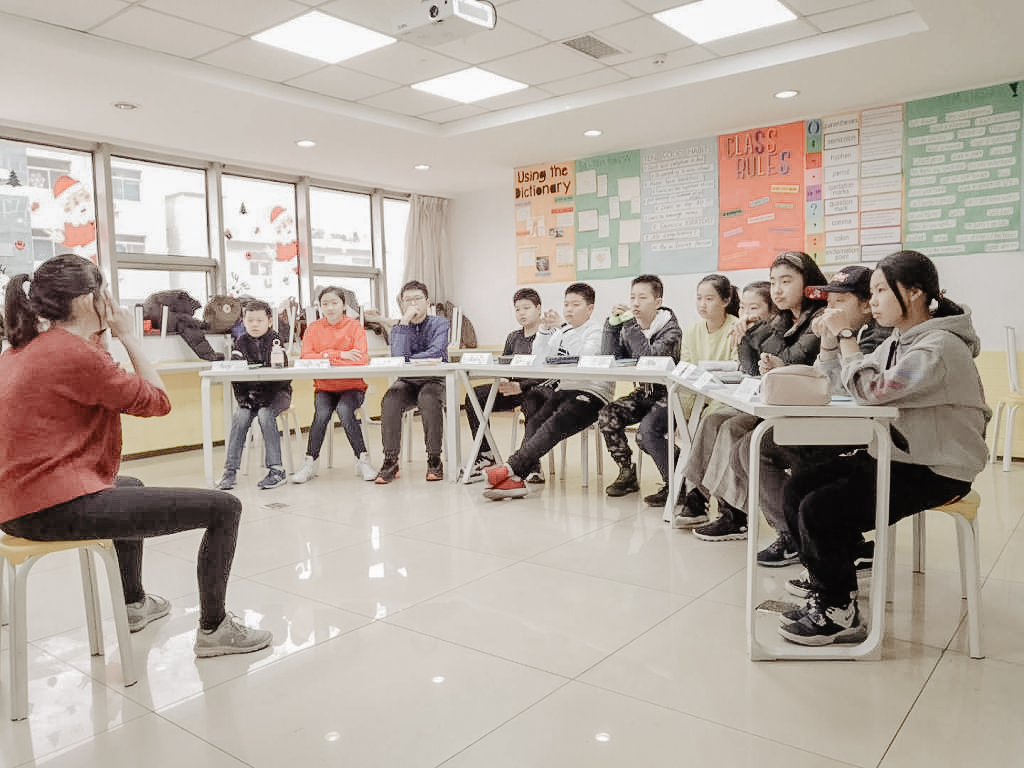
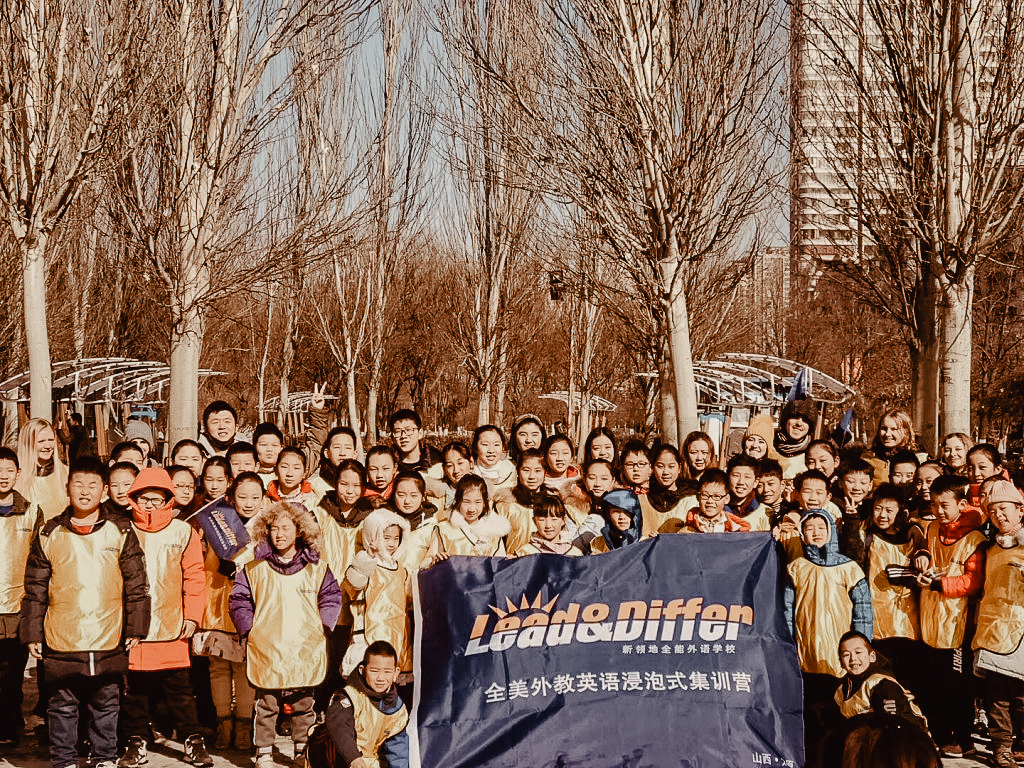
The hosting school for this city was called Lead & Differ and our teaching set up was very similar to Zhengzhou, except that we had a morning group and an afternoon group. We had 90-100 kids in total. Three classes of 15-20 students in the morning, a two hour break for lunch, and three classes of 15-20 kids in the afternoon. We reused a lot of the teaching material that we had used in Zhengzhou and it was really nice to be able to reuse material from the morning kids for the afternoon kids, rather than planning 6-8 hours of activities.
At the end of the week, all 90 of the students came at the same time on the final day and we went “plogging” as Chen, our boss and chairman of the school, called it. Basically we and all of the kids put yellow vests on and walked to a local park where we “plucked trash from the ground” and “went jogging” at the same time. Hence the name “plogging”. It was quite cold and there was even a bit of snow on the ground, but we spend about two hours cleaning up this park for the community. It sounded like a totally normal thing to me, but picking up trash and litter had never even occurred to most of these kids because they were honestly just used to seeing garbage everywhere.
After concluding our time in Taiyuan, Chen took us back to Beijing via bullet train to spend one final night in China before boarding a plane back home to the USA.
GETTING HOME
The hotel we stayed in on our last night was not great. I would not recommend it. A good example of what kind of hotel it was is this: our window was not a window, but glass mounted to our wall. It didn’t look out. Looking through the glass only showed a continuation of the bad and peeling wallpaper seen around the rest of our room. But it was only one night.
We packed all of our things and prayed that nothing was overweight. The morning of our flight, Chen called a taxi and a Didi for us, bid us goodbye, gave the Mandarin speaking drivers instructions to take us to the airport, and sent us off. We were a little nervous about navigating the airport and customs and finding our gate, but we managed. We boarded our flight from Beijing (PEK) International Airport to Seattle (SEA) International Airport on the morning of February 18, 2019. We arrived in Seattle on time with a two-ish hour layover. We had to go through customs and then through security again to board our domestic flight to Salt Lake, but we made it with plenty of time. It was awesome to be able to understand the people speaking around me and read signs again. Such a blessing.
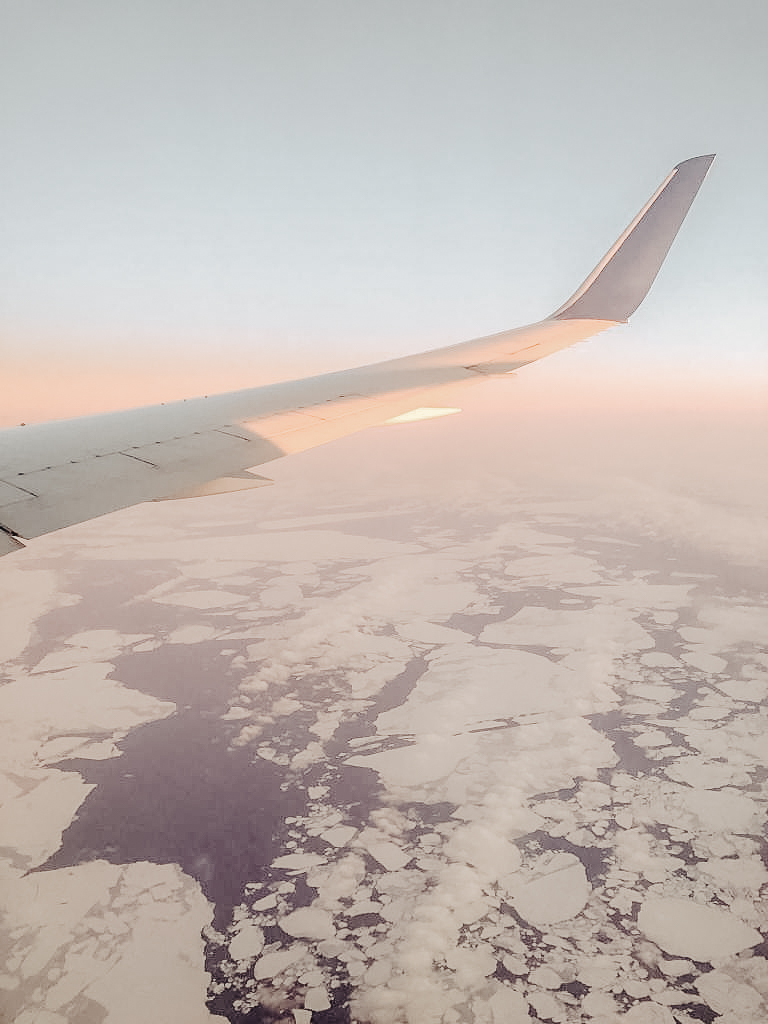
We arrived in Salt Lake City on the afternoon of February 18, 2019. We had been awake and traveling for something like 19 hours, but had gained back our lost day, so the clock said we’d only been awake for four or five hours. On our way home we stopped at Five Guys and had burgers and fries. I really missed American food while we were in China.
LOOKING BACK
I have mixed feelings about this trip. It was incredibly stressful and sometimes it felt like nothing went according to plan. And other times it felt like there was no plan and no one knew what they were doing or what was going on. But I also loved so many things and I am still in awe that we had the opportunity to go and see a place so different from home.
So, am I glad that we went? Oh, absolutely. Would I do it again? Heck no.


 BARREL OF MERRELL'S
Leave a comment