A collection of all of the advice and tricks that would have helped me when I was having my first baby and navigating my first postpartum experience two years ago.

When I became a mom two years ago, I felt like there were aspects that I was over prepared for and some that I was wildly underprepared for. As my friends and neighbors have announced their exciting first pregnancies, some of them have come to me for advice and I’ve often directed them here, to my blog. But there is a lot of information to sort through here, so I thought I would make one big blog post of all the basics I would recommend to first-time moms.
This post will include product recommendations, literature and other references, as well as tips and tricks I’ve picked up on my way through two pregnancies, births, and postpartum periods. I’ll mostly include information about the first six weeks of your baby’s life, with a few tips for older babies and toddlers thrown in.
I’ve also only given birth vaginally, so I don’t have any tips for recovery from a cesarean delivery (C-section), but Delilah of LoeppkysLife over on YouTube has a few great videos about the cesarean delivery of her third baby, William.
All of this information can be found elsewhere on my blog, scattered throughout various blog posts. I’ll link pertinent posts and categories when I can, if you want to read more, but this post is intended to be a one-stop info dump for all of the vital info I would pass to myself two years ago if I could.
TABLE OF CONTENTS
PRODUCTS
FOR A NEWBORN BABY
Here, I’m going to give you my recommendations for some products that I really love and have used a lot with both of my babies. This list is in no way meant to be everything you will need for your newborn. If you want my take on all of the essentials you will need for your newborn, while staying on a budget, this blog post is going to be the most helpful.
- White Noise Machine – this is one baby product that I swear by for sleep. We started out with the Hushh portable sound machine and liked it well enough, but the buttons were finicky and it stopped working after about six months. We then moved on to the LetsFit T2 Portable Sound Machine. I absolutely love this portable noise machine. It holds a charge well, you can set a timer, there are 20 different sound options, and it travels well. In fact, we now have two of these sound machines, so that in the event of power outages, we have one for each of our children to sleep with. In Calvin’s room, we have the Hatch Baby Rest+ Sound Machine and Night Light. We upgraded to this sound machine for the fact that we can control it from our phones and use the colored light to signal Calvin when it is time to get up in the mornings and from his naps. The Rest+ also has an 8 hour backup battery which is incredibly important in case of power outage.
- Swaddle Sacks – I use swaddling to help my newborns to settle to sleep. For me, using swaddle sacks for overnight sleep is easier and more comfortable than using swaddling blankets. The two styles that I have used and had positive experiences with are the Comfy Cub Swaddle sacks and the Happiest Baby Sleepea. I have the older style of the Sleepea, but I’m sure the new one works just as well.
- Zippered Sleepers – I understand that the sleepers with the snaps or buttons are cuter than the ones with zippers. But, for your sanity, only use zippered sleepers at night. You are likely to be too tired and it will be too dark to want to bother with lining up snaps on a sleeper at two o’clock in the morning.
- Jersey Swaddle Blankets – some people love the cotton muslin blankets to swaddle their newborns, but I could never swaddle a baby snugly enough to prevent wiggling out. Instead, I use jersey knit swaddle blankets that I adore. Soft, durable, and so easy to get a nice, snug swaddle with. I find the muslin swaddle blankets better for ground cover, a light blanket in the car seat, and as a burp cloth in a pinch.
- Baby Bum Brush – this diaper cream spreading product may seem frivolous and silly, but I love it. I love not having to get diaper oil/cream/ointment all over my fingers when I’m changing a diaper. I don’t have to keep my sticky hand out of the way while I try to fasten the diaper with the other hand. Especially while cloth diapering.
- Drool Bibs – these may not be necessary if your baby doesn’t drool much, but many do. It is much easier to change a drool bib a couple of times a day than to change a onesie or an entire outfit. I like these cotton/terrycloth ones from Pehr and these cotton ones from Carter’s. I don’t like the triangular or bandana-style drool bibs, because I felt like they constantly rode up on Calvin’s face and covered his chin and mouth.
- Bottles – even if you plan on breastfeeding exclusively, it’s a very good idea to have a bottle or two on hand in case you need to give your baby pumped milk or formula to help them to be healthy and to grow. I used the Boon NURSH bottles with Calvin and liked them, but he didn’t nurse in addition to his bottles past 3-4 months. This time we are using the Lansinoh bottles, because I like the shape of the nipple better after learning more about the latch of a breastfeeding baby.
- Thermometer – if there are two things you absolutely have to have before having your baby, they are a properly installed car seat and a thermometer. A fever is a serious matter in any child younger than three months, so having a reliable thermometer is important to have on hand. I don’t have a specific recommendation, just make sure you have one and you know how to use it properly.
- Booger Sucker – The NoseFrida is the most popular manual nasal aspirator on the market, but I actually prefer the OCCOBaby Nasal Aspirator over the NoseFrida. It has two different tip sizes that are made of silicone and I just find it to work better than the Frida. It’s also easy to clean. Whatever option you go with, make sure you have some sort of booger sucker as babies don’t learn to passively breathe through their mouths until they’re a few months old, so a stuffy nose can become a real problem, real fast.
- Burp Cloths – from the babies I’ve met, most of them are either a spitter or a drooler, and sometimes both. These burp clothes were my absolute favorite to use. They’re so soft and absorbent, unlike a lot of burp cloths. They actually absorb the spit-up and drool, rather than just spreading it around. They can also be washed in hot water with a bit of bleach or oxi-booster without damaging the fabric.
If you want more of my thoughts on my favorite baby items with my first, Calvin, I have a series of blog post for you to check out below!




FOR POSTPARTUM
This section is going to be very short in comparison to some of the others because I have so much to say on this subject. I’ll give you just a few product recommendations that I think are so vital to an easier postpartum experience and then I’ll link a few posts I’ve written that I really, highly suggest you read to prep for this short, but intense, time.
- Depends – whether you give birth vaginally or via C-section, your uterus still has to shed all of the extra tissue that it developed to support your baby during pregnancy. Basically, you have the bleeding of a heavy period for several weeks after giving birth. However, you are not allowed to use a tampon or menstrual cup as these are both inserted up into the vaginal canal and pose a risk for infection. The hospital will provide mesh underwear and large pads, but I don’t like this system, personally. It feels too bulky for me. I prefer to use these adult diapers to manage my postpartum bleeding.
- Always Overnight Pads – once the postpartum bleeding has slowed to a more reasonable flow, I switch from the adult diapers to these extra-long overnight pads until the bleeding stops. Again, any product that is inserted into the vaginal canal to absorb bleeding cannot be used during the postpartum period due to the risk for infection.
- Hooked Neck Upside Down Peri Bottle – after a vaginal delivery, using toilet paper to wipe while using the toilet isn’t advised until you’ve had some time to heal and recover. Instead, you use a peri bottle to squirt water to clean yourself. It’s kind of like a handheld bidet. They will provide one at the hospital when you deliver (and explain when and how to use it), but trust me when I tell you that bringing one of these is a much better option.
- Belly Wrap or High Waisted Compression Leggings – these are so important for me once I hit about the 7-10 day mark after birth. For that first week, I just go with whatever clothing feels most comfortable. With my first, that was sweatpants and button up shirts. With my second it was much more in the maternity leggings and baggy shirts. My favorite high-top compression leggings are these ones. I’ve also seen this belly band highly recommended.
- 2-4 Nursing Bras – I think that nursing bras are the best during late pregnancy and early postpartum. They are typically wireless, machine washable, and can accomodate all of the size fluctuations that come with having a baby. I like the Auden brand from Target, the Larken X, Kindred Braverly, and the Allie Nursing Bra.
Three posts with a more in-depth look at my postpartum prep and tips!


PREPARING FOR LABOR AND DELIVERING YOUR BABY
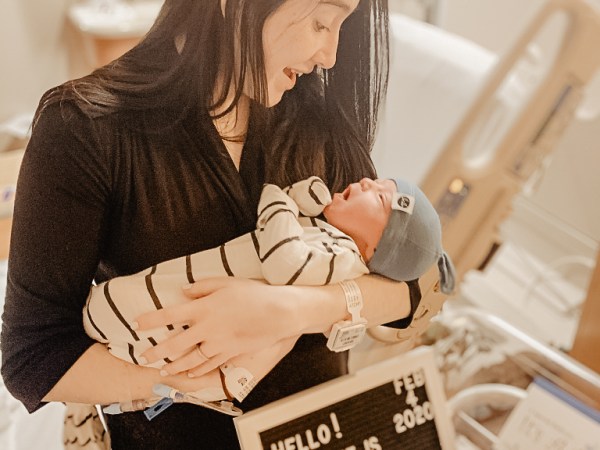
Okay. You are pregnant. You are going to have a baby. Which means you are going to deliver a baby. Regardless of this being something that your body is capable of doing and something that will happen, that doesn’t mean you don’t need to prepare to give birth. You need to prepare your birth plan, your body, your mind, your expectations, and your birthing partner (as a start).
The first thing you need to decide is what kind of birth you want to have. Where do you want to deliver your baby? The three typical options in the US are hospitals, birth centers, and at home. Once you know where you want to give birth, you need to find a healthcare provider that can deliver in your chosen venue and who supports the type of birth that you want to have. Once you have found a facility and a provider that you are comfortable and happy with, all of the other preparation will come easier.
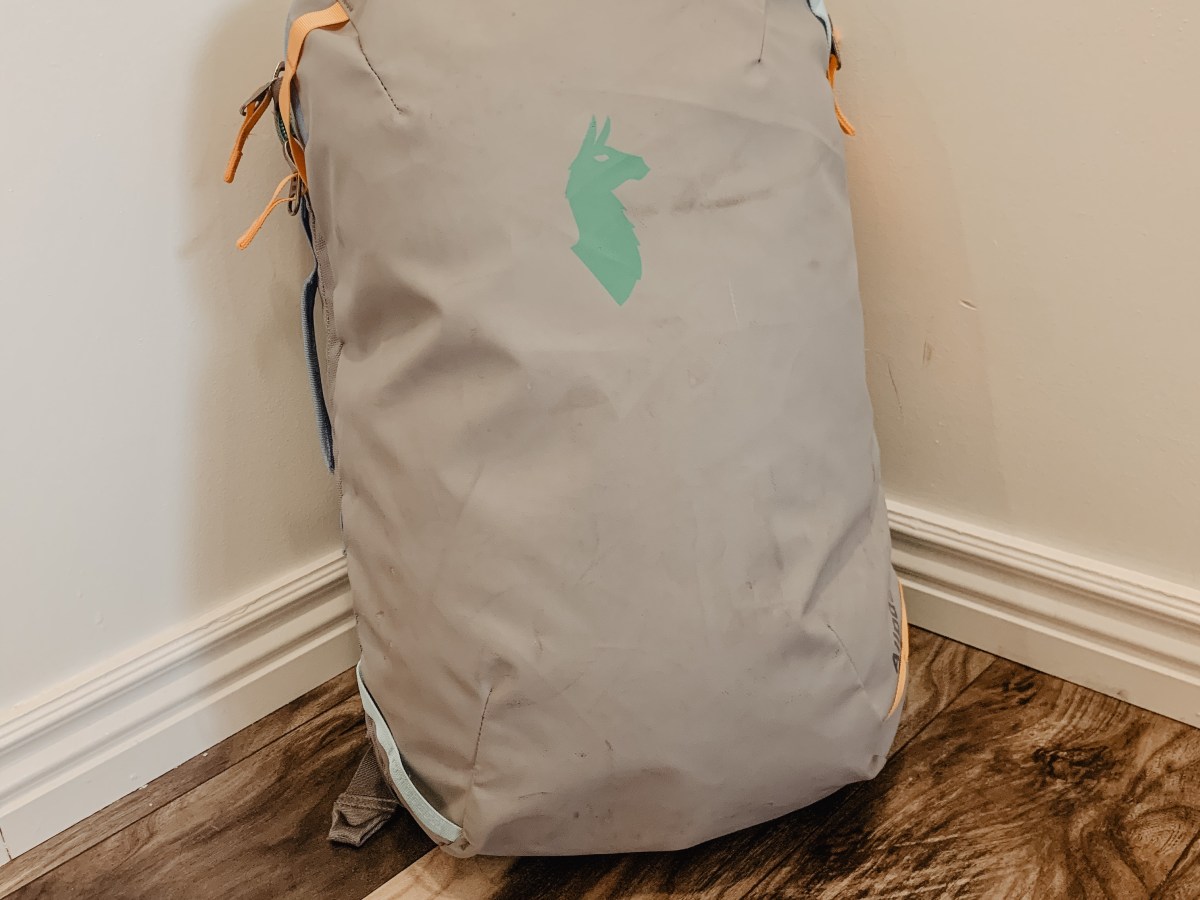
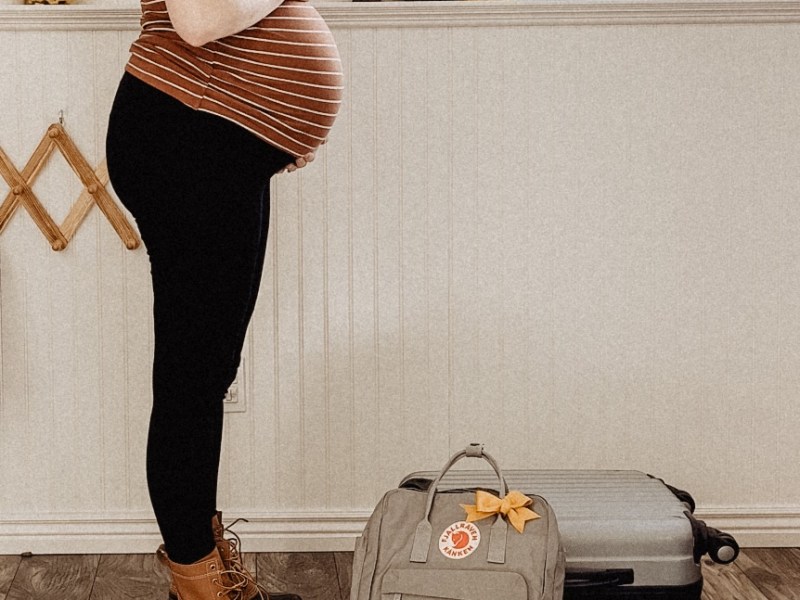
Preparing your hospital bag will differ from person to person. The best advice I can give you is to start making your packing list early and edit it often in the months of your pregnancy. This is also a great thing to crowdsource. Watch videos and read blog posts about what others bring to with them to give birth (my hospital bag posts are linked below). Figure out what feels good to you. Also, even if you are planning a home birth, I would recommend putting together a simple overnight bag with a change of clothes, toothbrush, etc. in case of an emergency transfer to the hospital.
Preparing your body for delivering a baby means a few different things. First, you need to make sure that you are receiving proper prenatal care. Your vital signs and the growth of the baby need to be monitored throughout your pregnancy. You also need to make sure that your body is receiving all of the nutrients it needs through food, proper hydration, and a daily prenatal vitamin. Preparing your body should also include daily movement that feels good to you. Every pregnancy and every body is different. While some may going hiking through their whole pregnancy, others feel best with just a simple stretching routine. Whatever feels good to you, just make sure you are getting some movement in to keep your body flexible and strong for delivery.
In my personal opinion, the most important preparation to do for your coming birth is mental. Learn all that you can about the birth process and what happens in a normal birthing process. Learn about the medical interventions available to you. Spend some time practicing putting trust into your body. Spend time practicing relaxation and meditation techniques. And know that no matter what path your birth takes, it is valid. And if your birth takes a path that is not positive for you or feels traumatic, that’s okay.
Finally, make sure that your birthing partner is prepared to be your partner. That means that they should be working hard to take care of you and to make as much of your birth plan a reality as they can. They can’t do that if they don’t know what you want. Make sure that your partner knows how they can make you feel supported and safe as you are giving birth. For some, this will be a lot of conversation. For others this may be taking a class (or several) together. For Colter and I, this was me thinking of all the questions Colter could possibly ask me and thinking of every little detail I might want him to know and I wrote it all down. Then we printed it out and he kept it handy through my entire labor.
Read through for the evolution of my hospital bag
PREPARING YOUR HOME FOR POSTPARTUM HEALING
- Get a bigger trash can (with a lid, if possible) for the bathroom – I promise you will never generate so much bathroom garbage in your life as you will in the first days and weeks postpartum. Do yourself a favor and get a larger trash can with a lid to use in your main bathroom for at least the first month. You, your spouse, and your visitors will all thank you.
- Keep disinfectant wipes in the bathroom – sometimes, despite your best efforts, there is going to be some mess made during your bathroom trip. Keeping a tub of disinfectant wipes right next to the toilet makes doing a quick clean up much easier and more discreet than having to go dig your Lysol out from under the kitchen sink and rushing back to the scene of the crime before anyone else attempts to use the toilet.
- Create a basket full of all of your supplies – this tip is very common but oh, so important. Keep everything within arms reach of someone sitting on the toilet. My personal basket contains women’s Depends, extra-long overnight pads, Tucks, Dermoplast, and my FridaMom peri bottle.
- Make cold water easy to access – hydration is so important to postpartum recovery and to breastfeeding. If you are like me, water is much more appealing when it is ice cold and stays that way. I accomplish this by using an insulated water bottle and keeping a pitcher of water in the fridge to refill from. We will also buy a bag of ice for the freezer once the baby arrives.
- Nursing Pads for Leakage – whether you nurse, pump, or go straight to formula in a bottle, you are likely to produce at least some milk in the beginning if your mammary tissue is present and intact. Having nursing pads on hand to wear in your bra will help keep you comfortable and they are much easier to change than having to switch your bra (and sometimes your shirt) multiple times a day.
WHAT TO HAVE READY AT HOME BEFORE BABY IS BORN
- Baby’s Sleeping Area – in my opinion, you should have baby’s sleeping area prepared by the time you hit 37 weeks. Babies are born when they please, not necessarily when we are ready for them. When preparing your baby’s sleeping area, make sure to review the current safe sleep standards for your country. For us, the set up that works best is a travel crib with the raised bassinet right next to my side of the bed. We use one snugly fitted sheet on the sleep surface and use either Sleepea or SwaddleMe swaddle sacks. We also offer our babies a pacifier.
- 1-3 weeks of prepared or planned meals – this is something I didn’t do with my first, but made a world of difference with my second. I meal planned all of our dinners for the first several weeks postpartum way before the baby was born. For me, this was planning easy meals and stocking my freezer with crock pot ones. For you it might mean prepping meals in the freezer, buying a ton of boxed meals, planning super simple food, or expanding your food budget for a few weeks to cover a lot of takeout and delivery. Do whatever works for you, just make a plan.
- Formula – some people say that if you plan to nurse exclusively that you shouldn’t have formula in your house to “tempt” you. I totally disagree. I think everyone should have at least a small can of baby formula and a bottle in their home in case of emergency. If you never end up needing it, then great! But if you do, it can be the difference between a fed baby and an unfed baby and that should be an easy choice to make.
- Breast Pump – unless you are planning to exclusively formula feed your new baby from Day 1 (which I fully support, if that is what you decide to do) you will very likely need some sort of breastmilk removal device other than your baby. If you are planning to exclusively pump, return to work, or have a frozen stash of milk for bottles to replace nursing sessions, then I would suggest getting a double-electric breast pump. Most insurance companies will cover the cost of a breast pump 100%. You just need to make sure you are choosing a covered pump and that you have a prescription from your OB or midwife. Use a site like AeroFlow or EdgePark to order. If you will only need a pump for occasional milk removal, one-sided pumping, or to empty the breast or relieve pressure, a manual pump will likely be plenty to meet your needs. I like the Medela Harmony and have also heard great things about the Avent. Whatever pump you choose, make sure you are using the proper flange size when you pump. You can also use a Haakaa or a Trove for more passive pumping while nursing.
BABY DIAPERS
You have two options when it comes to dealing with a baby’s waste: diapers or elimination communication. I know nothing about EC, so I’ll chat a bit about diapers.
A large majority of people nowadays use disposable diapers for their little ones. They are convenient, slim fitting, and the social norm. However, diapers can get expensive. On average, a child will go through 3,000 disposable diapers in their first year of life alone. My advice would be to be open to trying different brands of diapers in order to find the one that works for your baby the best, and then take advantage of every discount and sale you can get your hands on.
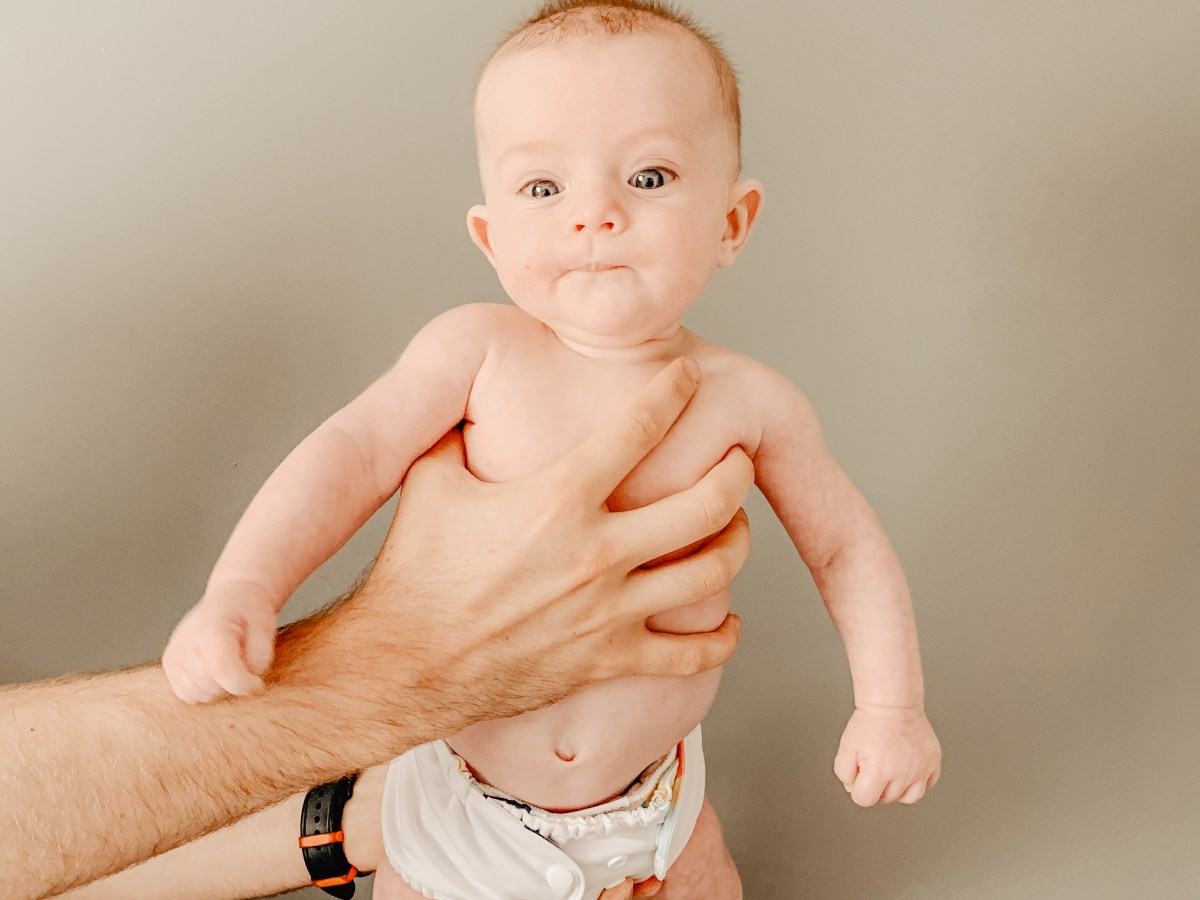
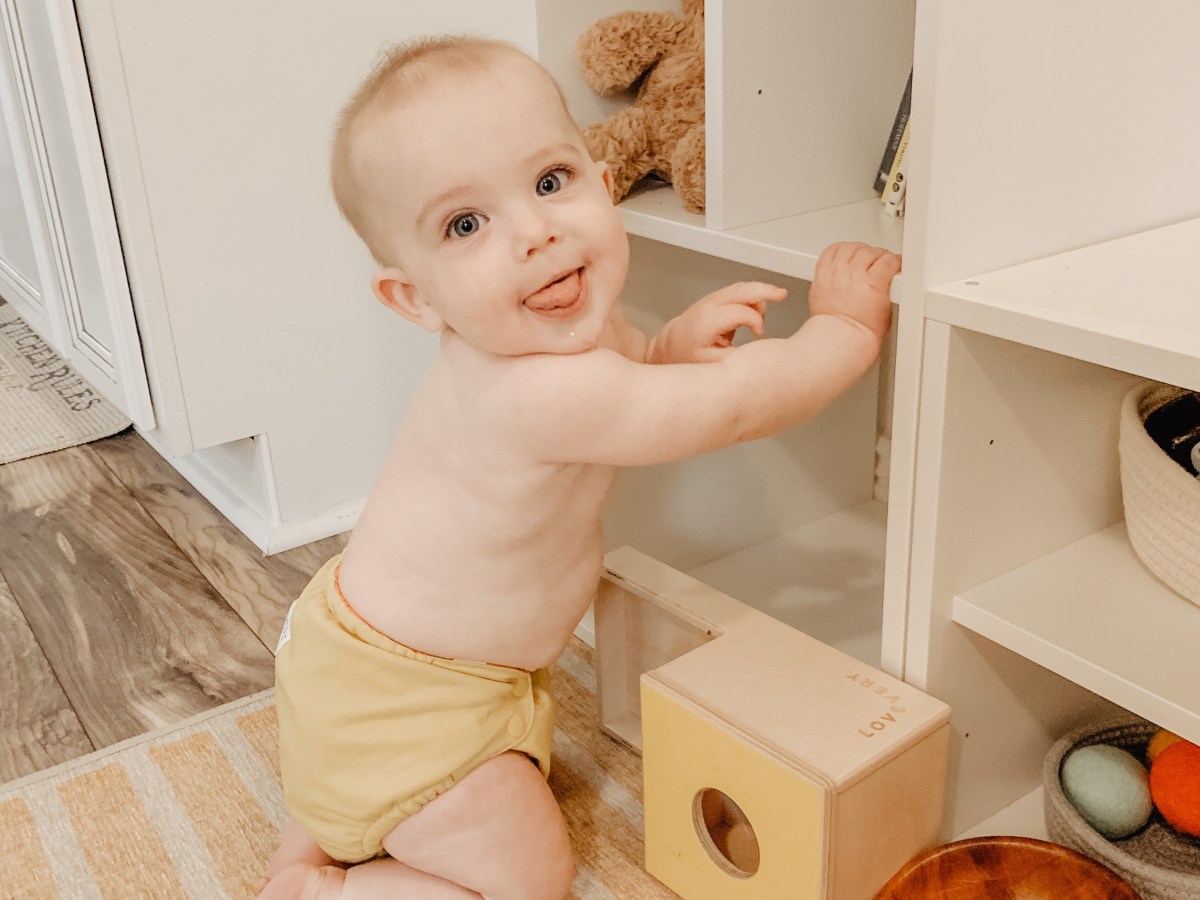
You can also look into cloth diapering, and you don’t have to commit to cloth diapering 100% of the time if that doesn’t fit your personality and lifestyle. For example, I’ll give you an overview of our diapering experience. Calvin was in disposable diapers for the first two months of his life. Then we decided to switch over to cloth diapers full-time, other than on vacations that took us away from home for more than two days. When Cal was about 16 months old, we were really struggling with leaks, both overnight and during the day. I tried everything, but between the leaks and a little boy who hates getting his diaper changed, we switched back to disposable diapers. Calvin will be in disposables until he potty trains. When Della was born, we used disposable diapers for the first eight weeks or so. Then we started using cloth diapers full time at home and disposables anytime we left the house.
If you’re worried about money being tight, one method you can use is to invest in just a few low-cost cloth diapers. If the end of your budget comes before the end of the month does, you can use your cloth diapers to hold you over until your budget allows you to buy more disposables.
If you have interest in cloth diapering, but have no idea where you start, I highly recommend reading through these posts. Then feel free to contact me with additional questions!


BABY FEEDING
The first thing that I want to tell you is that when it comes to feeding your baby, especially in those first days, weeks, and months, you need to give yourself grace. I also want you to know that no matter how you feed your baby from day to day, whether it’s exclusive breastfeeding, using a supplemental nursing system (SNS), exclusive pumping, combo feeding with expressed milk or formula, or exclusively formula feeding, there are moms out there going through similar situations and you can find support. As long as your baby is being fed adequate calories in a safe manner, I 100% support you and will always encourage you. The method you use to feed and nurture your child is morally neutral.
CHEST/BREASTFEEDING
If you have a desire to breastfeed, then I wholeheartedly suggest that you spend some time educating yourself on the basic mechanics of how breastmilk is made, the vocabulary people use when talking about breastfeeding, and the techniques you and your baby will need to learn to use. I also think it’s a very good idea to find out what lactation support is available in your area before your baby arrives, so you know where to go for help if you need it.
I am no expert on breastfeeding, but I’m very passionate about moms (new ones in particular) having as much access to education and support as possible. I will leave some resources on breastfeeding and lactation below:
- I HIGHLY recommend every nursing mom watch this video from the Global Health Organization
- If you like to know the science behind things, Making More Milk: The Second Edition is a great read.
- Some good lactation accounts you can follow on social medias are Lactation Link, Modern Milk, Amey Fields, The Milk Manual, and the r/breastfeeding sub on Reddit. Many of the accounts also offer online courses you can take and personal consultations to address specific issues.
If you are struggling to nurse, but want to put in some guided work in order to continue, please find an IBCLC that you like and feel comfortable with in your area. If one lactation consultation isn’t jiving with you, then look for another one that does.
If you are unable to nurse for any reason, if you don’t want to nurse, or if you simply choose not to nurse, you are a good mom. The method you use to feed your child does not define you as a mother, nor does it have any influence on whether you are a good mother or not. Your child needs a healthy parent more than they need breastmilk. If you are caring for your child, feeding your child, and doing the best you can for your child, you are a good mom.
PUMPING/EXPRESSING BREASTMILK
During the first hours and days after giving birth, your body produces colostrum. This precursor to breastmilk is thick and yellow in color. It’s often referred to as “liquid gold” due to its amazing immune boosting qualities. Because it’s so thick and viscous, it can be difficult to remove with a breast pump if your baby isn’t removing it for themself. I highly recommend learning how to hand express before your baby is born or asking the hospital lactation consultant to teach you how if you need to express colostrum for your baby. You can express into a small cup and then feed it to your baby via syringe. The more colostrum that is removed from your breasts in those first few hours and days, the more breastmilk your body will know to produce for your baby.
Once your milk comes in, evaluate your lifestyle and your baby’s individual needs in order to decide what pumping or expressing methods you need to use. If your baby is removing milk well and you don’t need pumped milk for outings or a return to work, you may not need a pump at all. If you are a big leaker (like me), you struggle with engorgement, or you only need the occasional bottle, a silicone pump like the Haakaa or the BOON Trove may be sufficient. If you wanted to manually pump more actively, I love the Medela Harmony and have heard great things about the Philips Avent one. If you need to pump regularly due to supply issues, latch issues, or a return to work, an electric double pump may be the best option. There are many on the market, but the most important factors to consider are the cost (or whether your insurance will cover it) and the fit of the flanges. If you do get an electric pump, make sure you get a double pump and a hands-free pumping bra of some sort. I promise that those two stipulations make a huge difference when pumping.
Regardless of how you choose to express milk (if you choose to), you will need to store it. Breastmilk will keep for 4 hours at room temperature, 4 days in the refrigerator, and 6-12 months in a deep freezer. For storing colostrum, I recommend syringes like these. For breastmilk, I recommend the Medela storage bags. When freezing bags of milk, make sure to remove all air from the bag and lay flat for freezing. It makes storage easier and thawing quicker.
INFANT FORMULA
All formulas that are available for purchase from stores in the US are FDA-approved. They contain all of the necessary nutrition that your baby requires for growth. You are not using an unhealthy option for your baby if they are being fed infant formula instead of breastmilk.
All people respond to different foods in different ways. Where a spicy Indian dish may sit just fine with you, it may make someone else feel sick to their stomach and have the runs for a day or two. This is because each of our bodies is a unique chemical factory and processes things in its own unique way. Babies are no different. While one infant formula may work perfectly for one baby, it may give another baby gas or an upset stomach. This will even vary between siblings. So, when finding a formula to feed you baby, know that you may have to try more than one before you find something that is a good fit for your baby’s chemical factory.
If you are looking for more information on formula and finding the right formula for you and your baby, I highly recommend Mallory, The Formula Mom. She has a huge wealth of knowledge on all things formula feeding and her information was a huge help to me when I was transitioning from nursing Calvin to giving him formula.
BOTTLES AND SUCH
I briefly touched on bottles and what we’ve done about them above, but I’ll give you more of my thoughts here.
When pregnant with Calvin, I purchased several different bottles because I was worried about him having a strong preference for one. I also knew I needed him to take a bottle as I would be returning to work when he was about 4 weeks old. Calvin wasn’t picky, so we went with the Boon NURSH bottles. I liked that they were made of silicone and super easy to clean and assemble. He ate well from them and still uses the 8 oz. bottle bodies now, with the conversion straw lids. I ended up with a bunch of bottles that we never used, but had opened and sterilized so I couldn’t return them. That was money down the drain.
Because Calvin loved his bottles so much, we decided to use different ones with Della simply to not create unnecessary competition or jealousy with Cal. With Della, we bought a few of the Lansinoh Natural Wave bottles. They have a silicone nipple that is rounded and sloped from the tip to the base. This mimics the shape of the breast when a baby is latched on to it. Della is only a month old and has only had a couple of bottles, but they seem to work really well for her. They’re also super easy to clean.
If you use formula on-the-go, I love this divided dispenser. It’s made of cheap plastic, but it works so well for what it’s meant for. And it doesn’t take up a ridiculous amount of space in a diaper bag. For Calvin’s bottles, I used to carry one bottle to mix in, a 16.9 oz bottle of water, and the formula dispenser with a few servings of formula measured out and feedings were a breeze.
BOOKS AND RESOURCES I USED TO PREPARE
FOR LABOR
- Natural Childbirth the Bradley Way
- Positive home birth videos on YouTube
- Positive unmedicated birth videos on YouTube
- Positive birth podcasts
FOR BABY CARE AND SLEEP
- The Happiest Baby on the Block
- On Becoming Babywise
- Jess Hover’s Baby 101 series on YouTube
- Taking Cara Babies blog
FOR BREASTFEEDING
- Making More Milk: Second Edition
- Milkology: The Ultimate Breastfeeding Class
- This video from Global Health Media
OTHER PARENTING BLOGGERS AND CONTENT CREATORS I LIKE
- But, First Coffee Blog
- Legendairy Milk
- The Formula Mom
- LoeppkysLife
- Sarah Therese
- Feeding Littles
- Kids Eat in Color
- Big Little Feelings
- Shannon Tripp
- Jess Hover
BABYWEARING
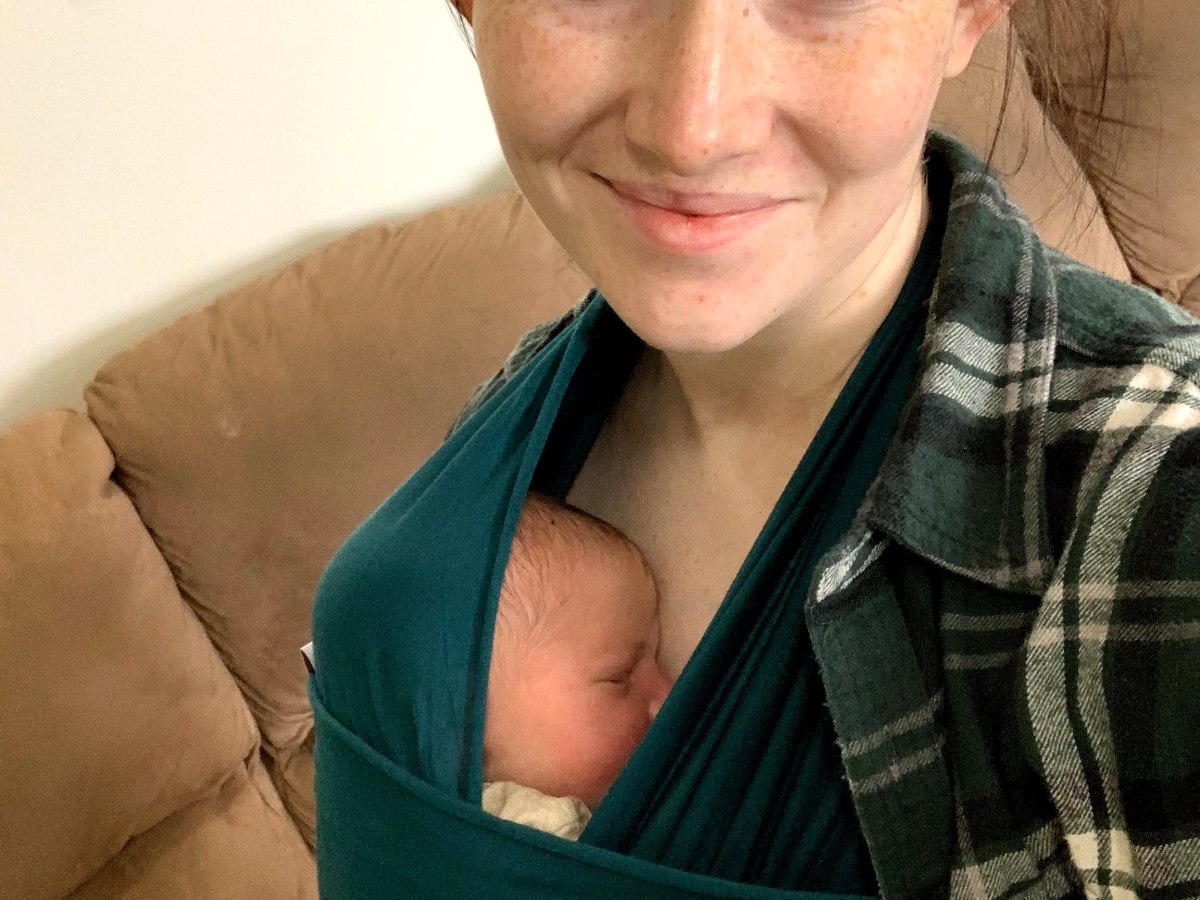
I, myself, absolutely love to wear my babies. I love having them snuggled up close to me and I love still having my hands free to get things done and take care of my home. Having babies that are used to being worn can also simplify outings and travel, especially now with two under two.
Babywearing comes in all sorts of options. There are stretchy wraps, slings, woven wraps, soft unstructured carriers, soft structured carriers, infant-to-toddler options…the list goes on. All of the available information can be overwhelming. If you are interested in wearing your baby, but not ready to make the financial investment that comes with some carriers, check for a babywearing library near you or look for a carrier secondhand online.
I have personally tried seven different baby carriers. I go into detail on all of them in this post. If I had to choose my favorite, I would absolutely opt for the SakuraBloom Scout carrier or the Happy Baby Original. They can be used with babies weighing from 7lbs to 45 lbs and work for a front or back carry. Of all the carriers, these two can be used for the longest amount of time and have the easiest learning curve. They’re also comfortable for both Colter and I to use without too much adjustment.
For information on basically every babywearing option on the planet, I suggest looking at the r/babywearing sub on Reddit.
DRESSING YOUR BABY
I have to begin this section with a disclaimer of sorts. Both of my babies have been born in the winter months. One in early February and one in late November. So I have zero firsthand experience with having a newborn in the warmer months, particularly in the summer. So take that information with you as you read on in this segment.
IN THE BEGINNING
For me, personally, the first 6-12 weeks of my babies’ lives see me in survival mode. No matter if this is your first baby or your fourth, it is a dynamic change in your family and it takes some adjustment time. For this reason, I keep dressing my newborn as simple as possible. Both of my babies wore zippered footed sleepers almost exclusively for the first 2-3 months of their lives. The only times they wore a shirt and pants outfit was if we were taking pictures or going somewhere special.
My absolute favorite sleepers are the Organic Cotton Basics from L’ovedbaby. They are definitely pricier than many other sleeper options out there, but for me, the cost is worth it. The material is soft, high quality cotton, the colorways are beautiful, I love the zipper that starts at the neck and ends at the foot, and these sleepers fit my long, skinny babies so, so well. My other favorites are a little dressier, and they are from Lemon & Loom. They are soft, stretchy, and the zipper between the legs is phenomenal. These sleepers are also more appropriate for babies of all shapes, not just long, skinny ones.
IN THE HEAT
The thing you want for hot clothing for babies is lightweight material and a decent UPF factor. The tighter knit a fabric is and the darker it is dyed, the higher the UPF factor will be (UPF factor is how much the fabric protects against UV rays from the sun). However, those things can make the fabric heavier and hotter as well. I would recommend find the lightest weight and lightest clothing you can, and then treating it with this UPF 30 Wash-In Additive to improve the protection they offer.
I’m also a huge fan of these sunbonnets. They have such a huge brim to protect my baby’s head, neck, and shoulders. They also sell a bonnet with more of a baseball cap style brim. Both styles also have ties to keep them from falling off or slipping down. There are absolutely cheaper options out there, but these are just my personal favorites.
Hear me out on this. Bikinis and tankinis can be super cute on baby girls. And seeing that chubby little belly hanging out over the swim trunks on a baby boy. But babies need sun protection. And the best was to do that is with UPF swimwear. Sleeves, swim shorts, hats, etc. I have one piece zippered swimsuits for both of my kiddos and they are great.
To sum up, protect your baby’s skin from the sun, keep them hydrated, and keep them cool with shade, wind, and water as much as possible.
IN THE COLD
The key to dressing a baby in the cold is layers. The advice that you’ll hear over and over is to dress yourself comfortably and dress your baby in one more layer that you are wearing. Also, both of my babies were winter babies (one born in early February and the other born in late November) so my experience with taking them out in the winter is at the newborn stage and at the late infancy stage.
When I am preparing to go outside with my baby, the first thing that I do is look at the “Real Feel” on the weather app on my phone. This takes the measured temperature, wind chill, and sunlight into account to let you know how cold it actually feels outside. (For example, the other morning the temperature on the thermometer read 14°F/-10°C but the Real Feel read -3°F/-20°C due to the 19mph winds). If the Real Feel measures 10°F/-12°C or colder, I don’t take my babies outside.
Next, I look out the window. If the temp is below freezing, clear skies are going to make it feel colder and clouds are going to insulate and make it feel warmer. If the temp is above freezing, clear skies are going to warm you with the sun and clouds are going to give you more of a chill without the sunlight.
For Real Feel temps ranging from 10°F to 20°F (-12°C to -7°C) I put my baby in a merino wool base layer, fleece footed pajamas, a fleece bunting, and a wool or knit beanie. For temps ranging from 20°F to 32°F (-7°C to 0°C), I typically drop the midlayer, so my baby wears her merino wool base layer or cotton footed pajamas under her fleece bunting and a wool/knit beanie. Once the temperature is above freezing, I often switch the beanie for a cotton bonnet instead.
The best way to check your baby’s temperature is to feel his or her upper chest or upper back. Don’t gauge them based on the feel of their hands or feet. A warm, comfortable baby can have toes that feel cold to the touch. If they feel cool, add a layer. If they feel warm, keep things how they are. If they feel hot or clammy from sweating, remove a layer. The first thing I usually do is to remove my baby’s hat because so much heat can escape through the head.
Now, just because it’s cold doesn’t mean that you don’t need to protect your baby from the sun. For babies younger than six months, the key is to cover their skin with clothing as much as possible. Keep an eye on your baby to make sure they aren’t getting sun on their face. For babies older than six months, I like SuperGoop PLAY Sunscreen or TubbyTodd’s Mineral Sunscreen. The other thing to remember is to not underestimate the wind. Wind can cool a baby off much quicker than an adult.
Phew! That was a lot of information all in one go. But that was entirely my intention, so I guess this is a successful post! I hope this was helpful for anyone feeling a little lost in becoming a parent. And to be completely honest with you, I think we all feel lost at some point in our parenting journey. I feel lost right now with a two year old and a three month old. But I’m learning and sticking with it. And so are you. So good job.


 BARREL OF MERRELL'S
You are a very talented writer and should post a blog link on your FB and Insta page. Blessed to have you as the mother of my darling grandchildren.
LikeLike